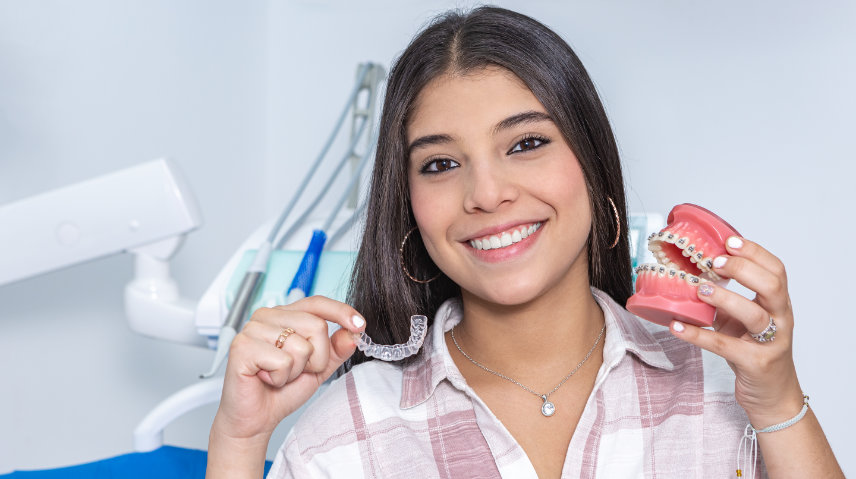
Thinking about home whitening kits or the latest DIY teeth whitening craze? You’re not alone. From strips in your bathroom drawer to LED gadgets hyped on social media, there’s no shortage of products promising a brighter smile. But do these kits actually deliver results — especially in the UK where regulations and product standards are different from elsewhere? Here’s a deep dive into what science and dental experts are saying, so you don’t waste money… or risk your dental health.
How At‑Home Whitening Products Are Supposed to Work
Most at‑home kits — whether strips, trays, LED kits or pens — rely on bleaching agents like hydrogen peroxide or carbamide peroxide to break down surface stains and make your teeth appear lighter. In the UK, products legally available over‑the‑counter are required to contain no more than 0.1% hydrogen peroxide. That’s very low compared with professional treatments, where a dentist can legally use up to 6% hydrogen peroxide under supervision. This big gap in strength explains a lot of what you’ll see in outcomes.
What it means is simple: the milder a product, the less dramatic the potential result. Over‑the‑counter kits may remove superficial staining from coffee or tea, but they struggle with deeper colour issues — even if the marketing claims “up to 10 shades whiter.” The baseline reality is that many UK kits might not change your tooth colour much at all.
Do Whitening Strips Actually Work?
Whitening strips UK versions generally do something — but not a huge something. Strips apply a thin layer of bleaching gel to the front surfaces of teeth, and with daily use over a couple of weeks you can notice some lightening. Some users report mild improvements in stain reduction, especially for moderate surface stains caused by tea, coffee or smoking. However, because strips don’t wrap perfectly around every tooth and often miss crevices, the effect can look patchy or uneven compared with professional lab moulded trays.
It’s worth stressing that strips and comparable kits will only work on natural enamel. They have no effect on restorations like crowns, veneers, fillings, or implants — those surfaces won’t bleach at all. So if your smile has mixed materials, results can look inconsistent.
Safety and Risk Considerations
It’s not just about whether whitening works. It’s about whether what you’re using is safe. UK law strictly limits peroxide in at‑home products for a reason — stronger bleach can injure gums, irritate soft tissues, even damage enamel if misused. That’s why only dental professionals are allowed to provide higher‑strength whitening gels.
Trading Standards has repeatedly warned that many products sold online — especially from overseas sellers masquerading as UK retailers — contain illegal levels of hydrogen peroxide or other unregulated chemicals. Some tests found imported kits with up to 300 times the permitted amount, which can cause chemical burns, pain or long‑term tissue damage.
Even legitimate UK‑approved kits aren’t automatically risk‑free. Gum sensitivity, temporary irritation, or enamel discomfort are all reported side effects if products aren’t used exactly as directed. Ill‑fitting trays where gel leaks onto soft tissue can cause burns or irritation.
Why At‑Home Kits Don’t Match Dentist‑Led Whitening
The professionals have clear advantages. A dentist first checks your oral health — cavities, gum disease, cracks — before whitening begins, ensuring there are no hidden issues that could worsen. They then use custom‑fitted trays that deliver bleaching gel evenly and protect gums. That matters because, in clinical environments, whitening results are not only faster; they’re more consistent and predictable, and long‑term safety is much higher.
In contrast, many at‑home kits are one‑size‑fits‑all. Strips barely hold gel in place. Generic trays may leak. Some LED add‑ons promise faster results but don’t significantly boost effectiveness beyond what the peroxide can do by itself. Without proper fit and professional guidance, the outcome is often modest at best.
Realistic Expectations: What You Might See
If you use a legitimate UK home kit exactly as directed — with properly labelled ingredients and safety information — you might notice a lighter shade after a couple of weeks, mostly for surface stains. The effect is usually subtle, and you’ll likely need repeat treatments or maintenance to keep that little boost.
But for deeper stains, intrinsic tooth discolouration, or dramatic changes, at‑home kits fall short. They simply don’t have the chemical strength or clinical precision dentists work with. Many dental professionals recommend trying stain‑removing toothpaste and improved hygiene first, then talking to a dentist if you’re still aiming for noticeable whitening.
Buying Wisely: UK Legal and Safe Options
If you do choose to try DIY teeth whitening, make sure the kit you buy is compliant with UK safety standards — marked with proper manufacturer details and peroxide levels at or below 0.1%. Avoid unlabelled products from foreign online sellers that claim “professional strength.” Those are frequently illegal and potentially harmful.
Remember, the most effective, reliable whitening still tends to come from a dentist — even if that costs more. Home kits can be okay for minor improvements or occasional touch‑ups, but they’re not a miracle fix. When in doubt, talk to a dental professional who can advise the safest path for your smile.