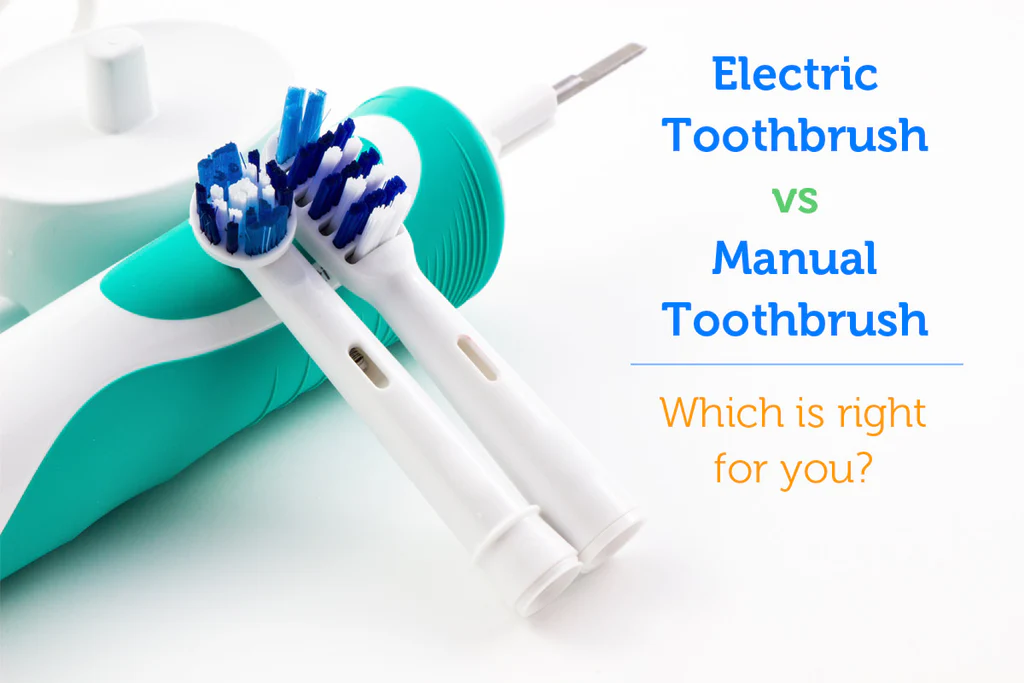
When you stand in the aisle staring at toothbrushes — electric ones with flashing lights and apps, or simple manual brushes — you might feel overwhelmed. Every box claims something slightly different, and before long you’re wondering, is an electric toothbrush worth the hype? This is where we dive into electric toothbrush benefits and how those compare to classic manual options. Not some robotic sales pitch… real evidence-based discussion.
Dental professionals and independent research studies have compared powered and manual brushes for decades now. The consensus? Both tools can work, but the powered versions often edge ahead in meaningful ways — especially for certain users. Let’s unpack why that matters and what you should think about when choosing the best toothbrush for you.
The Science Behind Electric Toothbrush Benefits
Electric toothbrushes are more than just battery-powered gadgets. They use high-speed movements — rotating, oscillating, or vibrating — that help dislodge plaque from tooth surfaces and along the gumline. Research reviews show that powered toothbrushes statistically reduce plaque and gum inflammation compared to manual brushes. For instance, a Cochrane systematic review found that electric brushes reduced plaque by about 21 % and gingivitis by roughly 11 % after three months of use — more than manual brushing alone.
In practical terms, that means electric models can reach and remove bacteria that manual brushing often misses, especially if you’re not brushing perfectly every time. The motion is consistent, predictable, and optimised to clean rather than rely entirely on your hand movements.
That isn’t to say electric brushes are magical — they just help you get a more thorough clean with less guesswork. And that’s exactly where many people struggle with manual brushing: timing, technique, and consistency.
Manual vs Electric — Real World Effectiveness
Both manual and electric brushes can be effective if used correctly — brushing for the full recommended two minutes, angling the bristles toward the gumline, covering all surfaces. Dentists will tell you technique matters a lot.
But studies and clinical trials repeatedly show that most people don’t brush perfectly. Electric toothbrushes help bridge that gap because their design encourages proper brushing behaviour — timers remind you to brush long enough, and some have pressure sensors that alert you if you’re pressing too hard.
In contrast, manual brushes rely entirely on the user’s skill and discipline. You might brush twice a day, but if you rush or use incorrect motions, you’re likely leaving behind plaque. And over time, that can increase the risk of gum disease and cavities.
So while a manual brush can get the job done, electric alternatives tend to make it easier for people to do it well — habitually, reliably, and with less effort.
Who Gets the Most from Electric Toothbrush Benefits
Not everyone needs the fanciest, most expensive brush on the market. But certain groups benefit particularly from powered models:
People with limited dexterity — arthritis, carpal tunnel, neurological conditions — find the automated movement of an electric brush much easier than struggling with a tiny manual handle.
Kids who resist brushing often find electric brushes with fun features (timers, lights, music) more engaging and easier to use thoroughly.
Those with braces, orthodontic appliances, or hard-to-clean areas benefit because electric brushes reach nooks and crannies that manual bristles sometimes fail to access.
Older adults often have a harder time reaching back teeth and maintaining consistent pressure — electric toothbrushes reduce that barrier simply by doing more of the mechanical work for them.
In other words, the electric toothbrush benefits go beyond marginal efficiency gains — for many users, they offer a real improvement in plaque control and gum health.
Manual Brushes Still Have Their Place
It’s important to note that a manual toothbrush is not useless. Research acknowledges that if someone with excellent brushing skills and discipline uses a manual brush correctly, they can achieve strong oral hygiene results too.
Manual brushes are inexpensive, easy to replace, accessible everywhere, and perfectly capable of cleaning your teeth if you give them the time and technique they require. There’s a cost advantage too — no need to buy replacement heads or deal with charging batteries.
But good luck persuading someone who always brushes like a darting hamster in a hurry to suddenly adopt perfect technique without some tool assistance. That’s where electric toothbrushes shine.
Features That Make Electric Brushes Stand Out
Part of what separates electric from manual brushes are the little extras that help users improve habits. Built-in timers signal when two minutes are up — a simple thing, but many people underestimate how long they actually spend brushing.
Pressure sensors prevent overly aggressive brushing that can irritate gums and wear enamel. Not something you get with a manual brush unless you’re super tuned-in to pressure — most people aren’t.
Specialised brush heads designed for sensitive gums, orthodontic needs, or even whitening can tailor the brushing experience to personal needs in ways a single manual brush head can’t match.
All this adds up to better performance in practice, not just in theory — which matters if you’re trying to improve your everyday oral hygiene rather than learning an idealised technique you don’t follow.
Choosing the Best Toothbrush for You
There isn’t a single toothbrush that’s objectively best for everyone. It’s a blend of personal needs, budget, and what you’re actually willing to use consistently. If you’re someone who struggles to brush long enough, misses spots, or just never quite gets a clean feeling, an electric toothbrush often helps fix those weak spots.
Manual brushes are still reliable, especially if you know how to use them well and aren’t in a high-risk group. But when it comes to the electric vs manual toothbrush question, the evidence tends to favour electric for a broader range of people — particularly in plaque removal and gum health.
The takeaway? The best toothbrush is one you use properly and regularly. Electric brushes bring benefits that help a lot of people get closer to ideal brushing, while manual brushes remain a solid and accessible option for those willing to invest effort into perfect technique.
That’s the real heartbeat behind choosing between manual and electric — and why, for many, electrics are increasingly the go-to choice.