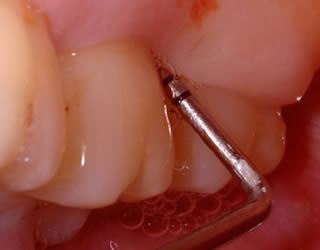
Dental fillings feel permanent when they’re placed. The numbness fades, the bite settles, life moves on. But fillings are not forever. Every patient eventually asks the same thing, usually years later, sometimes with a crack or sensitivity sneaking in first — how long do fillings last, really? The answer isn’t a single number. It’s a mix of material, habits, oral hygiene, and how well the tooth is cared for after the drill stops.
The Average Filling Lifespan Explained
Most dentists agree on broad ranges rather than guarantees. Filling lifespan depends heavily on what the filling is made of and how it’s treated afterward. Composite (tooth-colored) fillings often last 7 to 12 years, sometimes longer with excellent care. Amalgam fillings can stretch to 10 to 15 years, occasionally more. Gold and porcelain options may exceed 15 years, but they come with higher upfront cost.
Still, averages don’t tell the whole story. A filling placed in a low-pressure area of the mouth can outlive expectations. One placed where heavy chewing happens may fail earlier, even if it’s well done.
Material Matters More Than People Think
The material choice quietly controls how long fillings last. Composite resin bonds directly to the tooth, which helps preserve structure but makes it more sensitive to wear and staining over time. Amalgam doesn’t bond chemically, yet it handles pressure extremely well. Porcelain and gold are durable and stable, though less common today.
Material alone doesn’t decide everything. A perfectly placed composite filling in a clean, low-stress mouth can outlast a poorly placed metal one. Dentistry isn’t just science. It’s technique. And timing.
Oral Hygiene and the Hidden Role of Dental Cleaning
This part is often underestimated. Regular dental cleaning dramatically extends the life of fillings. Plaque buildup around the edges of a filling is one of the main reasons fillings fail early. Bacteria creep in. Secondary decay starts quietly. Damage follows.
A routine scale and polish removes hardened plaque that brushing simply cannot touch. This reduces inflammation around the filled tooth and protects the margins where fillings meet enamel. Skipping cleanings doesn’t just risk gum disease. It shortens filling lifespan, sometimes by years.
Why a Hygienist Appointment Is a Safe Option
Seeing a hygienist isn’t cosmetic maintenance. A hygienist appointment safe option acts as early warning and prevention rolled into one. Hygienists often spot failing fillings before pain shows up. Tiny cracks. Marginal staining. Subtle softness at the edges.
Catching these signs early can mean repairing a filling instead of replacing it entirely. Less drilling. Less cost. Less stress. From a long-term perspective, hygienist visits protect both natural teeth and the work already done on them.
Daily Habits That Shorten or Extend Filling Life
Teeth grinding quietly destroys fillings. So does constant snacking on sugar or acidic drinks. Ice chewing. Pen biting. Nail chewing. All small habits. All cumulative damage.
On the flip side, brushing twice daily with fluoride toothpaste, flossing properly, and avoiding aggressive brushing help fillings stay sealed. Mouthguards for night grinding can add years to a filling’s life. Simple habits. Big difference.
When to Replace Dental Filling Safely
Fillings don’t always fail dramatically. Sometimes there’s no pain at all. That’s why routine exams matter. Dentists look for fractures, leakage, decay beneath the filling, and changes in bite.
Knowing when to replace dental filling safe option comes down to early intervention. Replacing a filling before decay spreads protects the remaining tooth structure. Waiting too long risks crowns, root canals, or extractions. Replacement isn’t failure. It’s maintenance.
Age, Bite, and Tooth Location
Fillings in molars work harder than those in front teeth. Heavy bite force shortens lifespan. Age matters too — enamel changes over time, and older fillings may sit in teeth that are more brittle. That doesn’t mean failure is inevitable. It means monitoring matters more as years pass.
Dentists often track old fillings carefully, especially if they’re over a decade old. Not because they’re doomed. Because prevention is quieter than repair.
Conclusion: Longevity Is a Partnership
So, how long fillings last depends on far more than the day they’re placed. Material choice, oral hygiene, regular dental cleaning, routine scale and polish, and consistent hygienist appointment safe option visits all stack the odds in your favor. Fillings are strong, but they rely on the environment you give them.
Treat fillings like part of your natural teeth — because functionally, they are. Care for them well, watch for changes, and act early when something feels off. That’s how you stretch filling lifespan from “average” into “surprisingly long.”