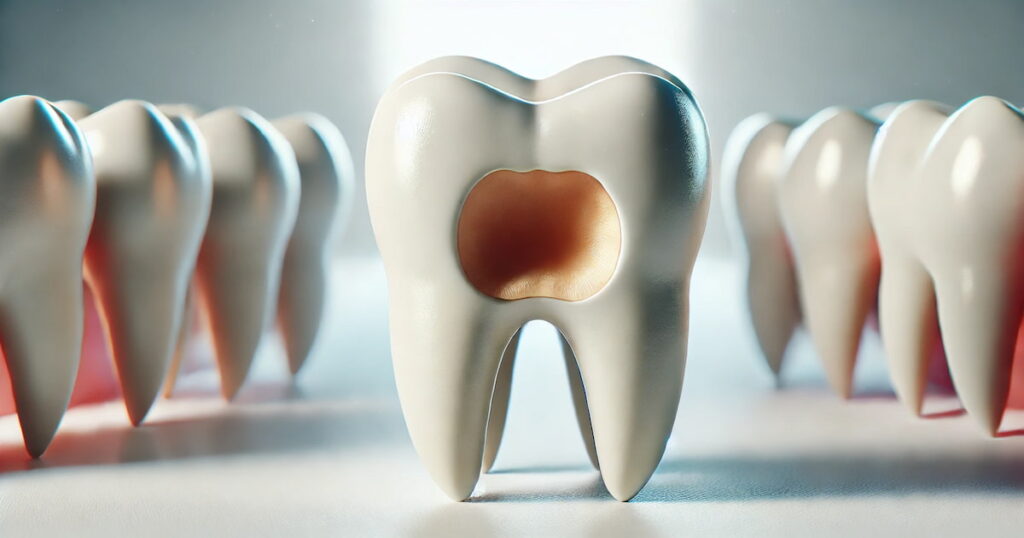
It usually happens mid-meal. A crunch that shouldn’t be there. Something hard on your tongue. Suddenly you realise a lost filling or a crown fell out and now there’s an exposed tooth where protection used to be. Panic sets in fast. Sensitivity follows even faster.
This situation is common. It feels urgent, uncomfortable, and confusing. While it’s rarely life-threatening, what you do next matters more than people think.
Why Losing a Filling or Crown Causes Problems
Fillings and crowns protect vulnerable tooth structure. When one comes out, the underlying tooth is suddenly exposed to air, temperature changes, bacteria, and pressure. That exposure triggers pain, sensitivity, and sometimes swelling.
A lost filling leaves behind a cavity that can trap food and bacteria. When a crown fell out, the tooth underneath is often smaller, weaker, and at higher risk of fracture. Delay increases damage.
First Steps to Take Right Away
Start by rinsing your mouth gently with warm water. This clears debris and soothes irritated tissue. Avoid aggressive rinsing. No alcohol mouthwash. Keep things calm.
If there’s bleeding, light pressure with clean gauze usually helps. Bleeding should stop fairly quickly. If it doesn’t, that signals something more serious.
Handling the Crown or Filling Safely
If the crown came out intact, keep it. Rinse it gently with water. Don’t scrub it. Dentists can sometimes re-cement the same crown if it’s undamaged. Losing it makes that option impossible.
With a lost filling, there’s nothing to save, but protecting the exposed area becomes the priority.
Managing Pain and Sensitivity Until Your Appointment
Sensitivity is common. Cold air alone can hurt. Over-the-counter pain relief can help, especially anti-inflammatory options. Avoid placing aspirin directly on the tooth or gums. That causes burns and worsens the problem.
Covering the exposed area is often the best temporary dental fix option. Pharmacies sell temporary dental cement designed for this purpose. It’s not permanent, but it shields the tooth and reduces pain.
Temporary Fixes That Help and Those That Don’t
Temporary dental cement works when used correctly. It fills space and blocks exposure. Sugar-free chewing gum can act as a short-term cover if nothing else is available, but it’s not ideal and should only be used briefly.
Avoid superglue or household adhesives. These are toxic in the mouth and damage teeth and gums. Home hacks found online usually create bigger problems.
Eating and Drinking with a Missing Filling or Crown
Chewing on the affected side increases risk of fracture. Avoid it. Stay away from hard, sticky, or very hot and cold foods. Soft, room-temperature foods are safer.
Sugary foods accelerate decay in exposed areas. Even short delays before treatment can lead to deeper cavities.
When This Becomes an Emergency
A crown fell out doesn’t always require immediate emergency care, but severe pain, swelling, or signs of infection change that. Fever, facial swelling, or a bad taste suggest bacterial involvement.
If the tooth cracks or breaks after the crown or filling is lost, urgency increases. What started as a minor issue becomes complex fast.
Why Prompt Dental Care Matters
Temporary solutions buy time. They don’t solve the problem. Leaving a lost filling untreated allows decay to spread. Waiting too long after a crown fell out increases the risk the tooth can’t be restored.
Seeing a dentist quickly protects the tooth and keeps treatment simpler. A small repair today prevents a major procedure tomorrow.