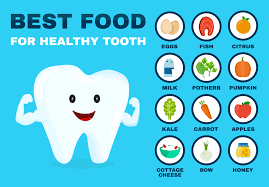
Let’s be honest — most of us focus on brushing and flossing, but forget the other half of oral care that happens at the dinner table. Your dental health diet isn’t just about avoiding sweets. It’s about eating foods that actively support your enamel, feed beneficial bacteria, and nurture gum tissue. The right choices help buffer acids, strengthen teeth and reduce inflammation — no magic pills, just real nutrition. In this blog we’re talking best foods for gums and teeth — what they are, why they matter, and how to realistically include them into your day.
Dentists and nutrition experts agree that you can help your mouth stay healthier by making smart food choices. It doesn’t replace brushing and flossing — far from it — but it empowers you to protect your smile from the inside out.
Calcium-Rich Foods That Fortify Your Enamel
Calcium and phosphorus are the structural building blocks of enamel. Without enough of them, your teeth can become more vulnerable to decay and acid attack. Dairy foods are often at the top of dental recommendations for this reason. Milk, cheese, and yogurt provide both calcium and phosphate — and cheese in particular boosts saliva production, which helps wash away bacterial acids after meals. Yogurt that’s plain or unsweetened adds probiotics that may help balance oral bacteria too.
If dairy isn’t your thing or you’re lactose intolerant, fortified plant-based milks and yogurts can still deliver calcium and vitamin D — crucial for calcium absorption. Strong enamel is one of the key ways to prevent cavities and keep your teeth resilient.
Leafy Greens — Supercharged for Gums and Teeth
Spinach, kale, broccoli — yes, the greens that make you groan — are seriously good for your mouth. They offer calcium, folic acid, and vitamins A and C, all of which support gum health and help repair tissue. Folic acid is especially important for maintaining gum tissue and reducing the risk of gum disease, so tossing a handful into a salad, soup, or smoothie really does count as oral care in action.
The fiber in these greens also stimulates saliva production through chewing, which buffers acid and naturally rinses the mouth. Think of them as an internal, biological mouthwash.
Crunchy Fruits and Veggies — Nature’s Toothbrushes
Apples, carrots, celery, cucumbers — they’re crunchy for a reason. These foods act almost like natural toothbrushes while you chew, increasing saliva and helping scrape away some plaque and food debris. Apples, for example, are high in water and fiber. That extra chewing not only cleans a bit but also helps rinse the surface of your teeth.
It’s not a substitute for brushing — don’t get me wrong — but at busy times when you can’t grab a toothbrush, crunching on a carrot beats a sugary snack every time.
Nuts and Seeds — Small but Mighty
Almonds, walnuts, sunflower seeds, sesame seeds — these are little nutrition powerhouses. They’re rich in calcium, magnesium, phosphorus, and healthy fats that support both teeth and gums. These minerals help remineralize enamel, a natural repair process, and chewing nuts boosts saliva flow too.
Walnuts bring omega-3 fatty acids into the mix too, which have anti-inflammatory properties that may benefit your gum tissue. It’s not a magic bullet for gum disease, but paired with a balanced diet it contributes to an overall healthier environment in your mouth.
Fatty Fish and Lean Proteins — Anti-Inflammatory Support
Salmon, sardines, mackerel, tuna — these fish are more than dinner options. They’re rich in omega-3 fatty acids and, often, vitamin D — nutrients linked with reduced gum inflammation and better overall oral health. When your body can absorb calcium effectively (thanks to vitamin D), it strengthens both teeth and the jawbone that holds them.
Lean proteins like chicken, eggs, or tofu provide phosphorus, another mineral important for enamel and gum tissue repair. A dental health diet isn’t just leafy greens and snacks — you need balanced macro nutrients too.
Vitamin C-Rich Fruits for Gum Strength
Vitamin C plays a huge role in gum health. It helps your body make collagen, a key protein that keeps gum tissues strong and resilient. Citrus fruits, strawberries, kiwis, bell peppers — these aren’t just healthy snacks, they actively support gum tissue integrity and help reduce inflammation that can lead to bleeding or gum disease when chronic.
One caution — some citrus and vitamin-C heavy fruits are acidic. Eat them with meals, not as a stand-alone snack, and follow with water to help protect enamel. Acid can soften enamel temporarily if left against teeth for long periods.
Green Tea and Water — Beyond Solid Foods
What you drink matters just as much as what you eat. Green and herbal teas contain polyphenols, compounds that help suppress harmful bacteria in the mouth and can reduce inflammation. Drinking them without sugar keeps them tooth-friendly. Water, especially if fluoridated, helps rinse away food debris and acids and supports saliva production — your mouth’s first line of defense against decay.
Hydration is underrated in dental care — a dry mouth is more vulnerable to cavities and gum problems because saliva dries up and can’t neutralize acids. Keep water handy throughout the day.
Putting It All Together: A Diet That Works With Your Oral Hygiene
There’s no single “miracle food” that keeps cavities away or heals gum disease overnight. But a balanced dental health diet — one rich in calcium, vitamin C, omega-3s, fiber and fluids — gives your teeth and gums the nutrients they need to stay strong, resilient, and healthy. From foods for teeth like leafy greens and nuts to vitamin-packed fruits and protein-rich fish, your plate becomes part of your preventive oral care team.
When good eating habits are paired with solid brushing, flossing, and regular dental visits, you’re giving your smile the best possible foundation.