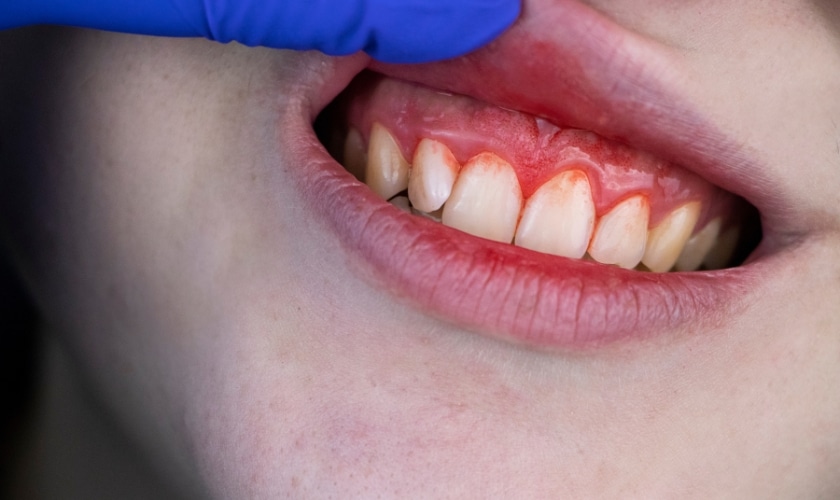
Seeing blood in the sink can be unsettling. For many people, bleeding gums are brushed off as a brushing mistake or “sensitive gums.” Sometimes that’s true. Sometimes it’s not. Persistent or heavy gum bleeding can signal infection, trauma, or underlying disease. Knowing when bleeding gums serious option applies can prevent bigger problems later.
Why Gums Bleed in the First Place
Healthy gums don’t bleed easily. When they do, inflammation is usually present. Plaque buildup irritates gum tissue, making it swollen and fragile. Even light brushing can trigger bleeding.
In other cases, bleeding comes from injury, poorly fitting dental work, hormonal changes, medications, or systemic health issues. The cause matters, because not all bleeding is equal.
Occasional Bleeding vs a Gum Emergency
A small amount of blood after flossing, especially if flossing hasn’t been regular, is common. This often improves within days as gums adjust. A gum emergency is different. Bleeding that is spontaneous, heavy, or continuous is not normal.
If gums bleed without brushing or flossing, or if bleeding doesn’t stop within a reasonable time, it needs attention. Pain, swelling, or a foul taste alongside bleeding raises concern.
Signs Bleeding Gums Are Becoming Serious
Certain warning signs point toward a more serious issue. Gums that appear red, shiny, or pull away from the teeth suggest active gum disease. Persistent bad breath and pus between teeth and gums often indicate infection.
Bleeding combined with loose teeth, facial swelling, or fever moves beyond routine dental care. These are situations where when bleeding gums serious option becomes clear.
Gum Infections and Abscesses
Gum abscesses can cause sudden, intense bleeding. These infections trap pus beneath the gum line, creating pressure and inflammation. Bleeding may occur when the abscess drains or ruptures.
This type of gum emergency requires prompt treatment. Infections in the gums can spread quickly to surrounding bone and tissue if left untreated.
Bleeding After Dental Procedures or Trauma
Some bleeding after dental work is expected. However, bleeding that continues for hours or restarts days later is not normal. Trauma from accidents, sports injuries, or sharp foods can also damage gum tissue.
If pressure doesn’t stop the bleeding, or if swelling increases, urgent evaluation is needed. Delayed care often leads to infection.
Medical Conditions Linked to Gum Bleeding
Bleeding gums aren’t always purely dental. Blood disorders, vitamin deficiencies, diabetes, and certain medications can increase bleeding risk. Blood thinners are a common contributor.
When gum bleeding appears suddenly without obvious cause, it may reflect a broader health issue. Dental professionals often play a role in identifying these problems early.
What You Can Do Immediately
Applying gentle pressure with clean gauze helps control bleeding. Cold compresses reduce swelling. Rinsing gently with saltwater may soothe irritated tissue.
Avoid aggressive brushing, flossing, smoking, or alcohol until bleeding stops. These steps help temporarily, but they don’t replace professional care when bleeding persists.
When to Seek Urgent Dental Care
Urgent care is needed if bleeding is heavy, won’t stop, or is accompanied by pain, swelling, fever, or discharge. Bleeding that interferes with eating, speaking, or sleeping also deserves prompt evaluation.
Understanding when bleeding gums serious option applies protects more than just your smile. Gums are part of a larger system, and when they bleed excessively, they’re signaling something that shouldn’t be ignored.