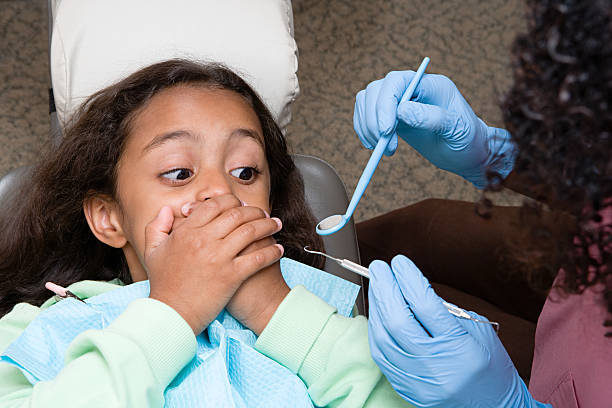
Most kids don’t jump at the idea of a dental visit. Strange chairs, bright lights, unfamiliar sounds — the whole place can feel intimidating. When child dental anxiety kicks in, even the thought of sitting in the chair makes tiny hearts thump faster and little hands grip arms. Some kids become so scared of dentist visits that parents dread the appointment more than the children do. But with the right preparation and care, dental visits can be far less stressful, even calm. Here’s how you can help your child feel safe, confident and ready for dental care.
Why Children Become Anxious About the Dentist
A lot of the fear children feel comes from the unknown. They haven’t been inside a dentist office before. Instruments that look like gadgets from a spaceship. Strange noises from tools they’ve never seen. That combination can easily create anxiety — and young brains often fill in the gaps with their own interpretations, which can be scarier than reality. Helping them understand what will happen — in a positive and age-appropriate way — reduces that fear. Dentists often suggest avoiding scary words like “pain” or “needle,” and instead use reassuring language like “dentist will count your teeth and make them shiny.”
Parents play a big role here. Kids pick up on emotions around them. If a parent is visibly nervous or negative about dental visits, children are more likely to mirror that fear. Showing calm — even when you’re not feeling it — can make a big difference in how your child perceives the appointment.
Preparing Your Child Before the Visit
Preparation reduces fear. One big step is to talk about the visit ahead of time — but in a fun and positive way. You can read storybooks or watch cartoons where characters visit the dentist and enjoy it. This normalises the experience and takes away the element of surprise. Seeing pictures of kids smiling in a dental chair is surprisingly powerful for easing anxiety.
Another technique parents often use is role-play at home. Let your child pretend to be the dentist and examine your teeth. Switch roles and let them sit in the “big chair.” Use a toothbrush or toy dental tools to act out the visit. It’s playful, non-threatening, and makes the real visit feel familiar rather than foreign.
Scheduling also matters. Try to book appointments at times when your child is well-rested and not hungry, like mid-morning after a snack. A tired or irritable child is more likely to feel overwhelmed.
Choosing the Right Dentist and Setting
Not all dental clinics are created equal. A calm child dentist who specialises in treating children — especially pediatric dentists — can make a huge difference. These professionals receive extra training in working with anxious kids. Their chairs, rooms and interactions are designed to be inviting rather than intimidating. Colourful walls, kid-friendly waiting areas, stickers and toys all help make the environment less clinical and more comforting.
Some dentists even allow pre-visits where the child just meets the staff, sits in the chair, and explores the room without any treatment. This introduction — with no pressure or procedures — builds trust and reduces anxiety later when a real appointment happens.
What to Do During the Appointment
Once you’re in the dental chair, your support matters. Staying close, holding hands, talking softly — these simple actions help your child feel secure. Some practices let parents sit nearby so the child doesn’t feel alone. You can bring comfort objects like a favourite toy, blanket or stuffed animal to hold during the visit. That familiar item gives them something to focus on amid new sights and sounds.
Distraction techniques work well too. Children often respond positively when they have something else to focus on — music, cartoons, or even headphones can take their mind off what’s happening in their mouth. Many dentists professionally use a method called “Tell-Show-Do”: they explain what they’re going to do in simple terms, show it on a model or your child’s hand, and then do it. This gradual familiarity helps reduce fear of the unknown