Dental X-rays tend to worry people more than the dental treatment itself. Radiation. Repeated exposure. Long-term risk. These concerns come up again and again, often fueled by outdated information. The reality is calmer, more controlled, and far more regulated than most expect. Understanding dental x-ray safety starts with knowing why they’re used, how modern systems work, and when they’re actually necessary.
What Dental X-Rays Really Show That Eyes Can’t
A visual exam only tells part of the story. Cavities between teeth. Infections under old fillings. Bone loss from gum disease. These problems often stay invisible until damage is advanced. Dental radiographs allow dentists to see beneath enamel and gum tissue before symptoms appear.
This early detection is the main reason dentists rely on imaging. Catching issues early usually means simpler, less invasive treatment later. Waiting for pain is rarely a good strategy.
Modern Dental X-Ray Safety Standards
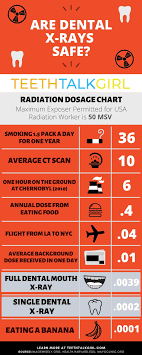
When people question dental x-ray safety, they’re often picturing older machines. Modern digital X-rays use significantly lower radiation than past systems. Exposure is tightly controlled, targeted, and minimized. Protective lead aprons and thyroid collars further reduce unnecessary exposure.
Dental practices follow strict guidelines on frequency and justification. X-rays are not taken “just in case.” Each image must serve a diagnostic purpose. This is why dental radiographs are widely considered a safe option when clinically indicated.
When Do You Actually Need X-Rays?
Patients often ask when need x-rays, expecting a fixed schedule. There isn’t one. Frequency depends on age, oral health, risk of decay, and previous dental history. Someone with recurring cavities may need imaging more often than someone with consistently healthy teeth.
New patients typically require baseline X-rays to assess existing conditions. After that, intervals vary. Dentists reassess the need at every visit rather than relying on habit.
Dental X-Rays and Children or Pregnant Patients
Extra caution is taken with children and pregnant patients, but avoidance is not always safer than diagnosis. Undetected infections pose their own risks. When imaging is necessary, dentists use the lowest possible exposure and limit the area being scanned.
This risk-benefit balance is central to dental radiographs safe option decision-making. The goal is never excess imaging, only informed care.
Different Types of Dental Radiographs and Their Purpose
Not all dental X-rays serve the same role. Bitewing images help detect cavities between teeth and monitor bone levels. Periapical images focus on the entire tooth and root structure. Panoramic imaging provides a broad overview of the jaw, sinuses, and developing teeth.
Each type answers a different clinical question. Taking the wrong image — or skipping the right one — can delay proper diagnosis.
What Happens If X-Rays Are Skipped Too Often
Avoiding X-rays altogether doesn’t eliminate risk. It shifts it. Cavities may grow unnoticed. Bone loss can progress silently. Infections can spread beyond the tooth before symptoms appear.
Dentists often see patients who declined imaging for years and later required more extensive treatment. Early information prevents late-stage problems. That’s the quiet value of diagnostic imaging.
How Dentists Decide X-Rays Are Necessary
Dentists base imaging decisions on visible signs, patient history, symptoms, and risk factors. It’s not arbitrary. If nothing has changed clinically, X-rays may not be needed. If something feels off — pain, swelling, bite changes — imaging becomes important.
This tailored approach is why dental X-rays remain a cornerstone of preventive care rather than an automatic routine.
Conclusion: Safety Comes from Purpose, Not Avoidance
Dental X-rays are not about exposure for exposure’s sake. They are tools used carefully, sparingly, and with intention. With modern equipment and strict protocols, dental x-ray safety is well established. Knowing when need x-rays depends on individual risk, not rigid schedules.
When used appropriately, dental radiographs safe option imaging helps protect teeth, gums, and overall oral health. In dentistry, seeing early often means treating less — and that’s a trade most patients are glad to make.