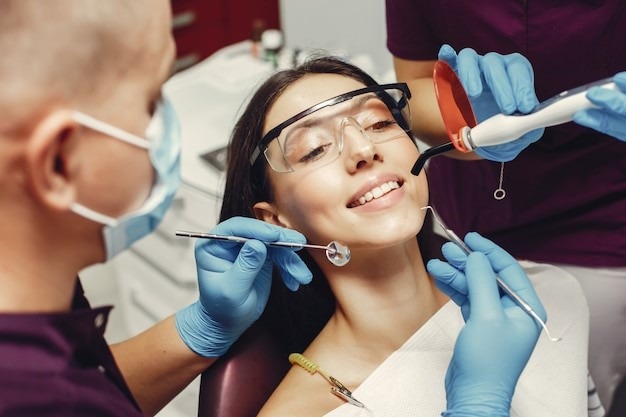
Dentistry has always carried a reputation. The sound of drills. The pressure. The lingering numbness. For decades, fear was almost built into the experience. But things are changing fast. Laser dentistry is no longer experimental or rare. It’s becoming part of everyday care, quietly reshaping what patients expect when they sit in the chair.
Not magic. Not hype. Just technology doing what it was designed to do — reduce trauma, increase precision, and make treatment more comfortable.
What Laser Dentistry Actually Is
Laser dentistry uses concentrated light energy to perform dental procedures on soft and hard tissues. Instead of mechanical cutting or scraping, lasers interact directly with tissue at a microscopic level. This allows dentists to remove decay, reshape gums, and treat infections with far less disruption.
Different lasers are used for different tasks. Some target enamel and dentin. Others are designed specifically for gum tissue. The choice depends on the procedure, not preference.
Why Patients Experience Less Pain
Pain comes from vibration, heat, and pressure. Traditional tools create all three. Lasers largely eliminate vibration and reduce physical contact with the tooth or gum. That alone changes the sensory experience.
Many patients report little to no discomfort. In some cases, anesthesia isn’t even required. This is why laser dentistry is often associated with the idea of a pain-free dentist, especially for people with dental anxiety or sensitivity.
Reduced Bleeding and Faster Healing
One of the most noticeable benefits appears after treatment. Lasers seal blood vessels as they work. That means minimal bleeding during gum procedures and significantly reduced swelling afterward.
Healing tends to be faster. The tissue experiences less trauma. There’s also a lower risk of infection because lasers sterilize the area as they operate. This is where modern dental technology safe option claims really hold weight — outcomes improve, not just comfort.
Procedures Commonly Done with Lasers
Laser dentistry isn’t limited to cosmetic work. It’s used for treating gum disease, removing inflamed tissue, reshaping gum lines, detecting cavities early, and even assisting with teeth whitening.
It doesn’t replace every traditional tool. Some restorations still require conventional methods. But when lasers are appropriate, they often simplify treatment and shorten appointment times.
Laser Dentistry and Anxious Patients
Fear changes how patients behave. They cancel appointments. They delay care. Lasers help break that cycle. The absence of drilling sounds alone reduces stress. Less pain builds trust.
For patients who have avoided dental visits for years, laser dentistry often feels like a reset. Not because it’s painless in every case, but because it’s gentler. More controlled. Less threatening.
Safety and Regulation in Modern Dental Technology
Lasers used in dentistry are strictly regulated. Dentists undergo specific training before using them. Settings are calibrated precisely for each procedure and tissue type.
This isn’t guesswork. It’s protocol-driven care. When used correctly, laser dentistry is considered a safe option with a strong track record. Complications are rare, and benefits are well documented in modern practice.
Limitations and Realistic Expectations
Laser dentistry isn’t a cure-all. Large cavities, complex restorations, or advanced structural damage may still require traditional tools. Lasers also involve higher equipment costs, which can affect treatment pricing.
A responsible dentist will explain when lasers are appropriate and when they are not. Technology should serve the patient, not replace clinical judgment.
Conclusion: Precision Is the Real Future
The future of dentistry isn’t about eliminating every sensation. It’s about minimizing unnecessary trauma while improving outcomes. Laser dentistry represents that shift — precision over force, control over noise, comfort over fear.
For patients seeking a pain-free dentist experience where possible, and for those who value modern dental technology safe option care, lasers are no longer futuristic. They’re present. And they’re quietly changing what dental treatment feels like, one appointment at a time.