Losing a tooth isn’t just about appearance — it affects chewing, speech, bite balance, and even bone health. When you’re exploring tooth replacement options, two of the most common choices are dental bridges and dental implants. Both restore function and smile, but they work very differently, cost different amounts, and suit different situations. In this article we’ll break down the realities of bridge vs implant, including how they’re done, how long they last, and why one might be a better fit for you — all without glossing over the downsides.
This isn’t marketing fluff. These are practical, real‑world considerations that dental professionals use every day when helping patients decide what’s safest and most effective.
What Dental Bridges and Implants Actually Are
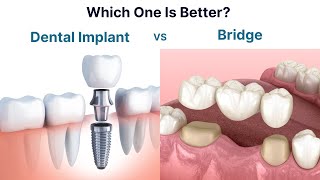
A dental bridge fills the gap left by one or more missing teeth by anchoring a false tooth (or teeth) between two crowns placed on adjacent natural teeth. Bridges sit above the gumline and rely on neighbouring teeth for support. The procedure typically takes a few visits and doesn’t require surgery. Bridges are a long‑standing, traditional tooth replacement option.
A dental implant, by contrast, replaces both the tooth and its root. A titanium post is surgically placed into the jawbone, where it fuses with the bone over time through osseointegration. A crown then attaches on top of that post. This mimics the structure of a natural tooth and stimulates the jawbone like a real root.
Procedure and Time — Quick vs Long Haul
Bridges have the speed advantage here. Because they don’t involve surgery or bone healing, many bridges are completed in just a couple of dental visits over a short period — often a few weeks from start to finish.
Dental implants require a staged approach. First the implant is surgically placed, then you wait for the bone to integrate with the implant — usually several months — before the final crown is attached. This healing period is part of what makes implants strong and durable, but it also means the timeline is longer.
So if time and a quicker return to normal eating matter, bridges sometimes win that round. If you’re okay with a longer process for a solution that functions more like a natural tooth, the implant route may be worth the wait.
Cost Considerations: Short‑Term vs Long‑Term
One big reason people choose a bridge is lower upfront cost. In the UK, fixed bridges can range from about £250 to around £1,500 depending on materials and complexity, while single dental implants typically run from around £1,800 up to £3,800 or more for premium options — considerably more than bridges.
But cost isn’t just what you spend today. Bridges generally last around 7–15 years before needing replacement or repair. Over a patient’s lifetime, that can mean multiple bridge replacements. Implants, on the other hand, often last 25 years or more and in many cases a lifetime, with only occasional crown replacement. That durability can make implants more cost‑effective over the long term despite higher initial fees.
This long view — balancing upfront cost with longevity — is often the smarter way to think about tooth replacement, especially if you’re younger and want a solution that lasts.
Impact on Surrounding Teeth and Bone
One real difference between the two choices lies in how they affect the remaining structures in your mouth. Bridges require filing down the teeth adjacent to the gap so they can support the false tooth. That means healthy tooth structure is permanently altered, and those supporting teeth may be more vulnerable to decay or future problems.
Implants don’t depend on neighbouring teeth at all. They stand independently, and because they replicate a natural root, they stimulate the jawbone where the tooth is missing. That stimulation helps prevent bone loss over time, which can otherwise lead to facial changes and shifting of surrounding teeth.
Bone loss under a bridge isn’t stopped because bridges sit above the gum, so the jawbone doesn’t get the same stimulation it would from an implant root — something particularly relevant if you care about long‑term bone health.
Longevity and Maintenance — How They Last
Bridges are reliable, but they have a finite lifespan — usually around 7–15 years — after which they may fail or require replacement. They also create areas that are trickier to clean, meaning special flossing tools or interdental brushes might become part of your daily hygiene routine to prevent decay or gum issues.
Implants, when placed successfully and cared for well, commonly last decades. The implant screw itself integrates with your bone and doesn’t decay like a natural tooth, although the crown on top may need replacing after around 10–15 years due to normal wear.
That’s a big reason why many clinicians and patients consider implants the closest thing to permanent tooth replacement.
Suitability and Health Considerations
Not everyone can get implants. Adequate jawbone density and general health are important because the implant must integrate with the bone. People with significant bone loss might need additional bone grafting — adding time and cost. Certain medical conditions or heavy smoking can also affect implant candidacy.
Bridges, with their non‑surgical approach, can be a safe alternative when surgery is not recommended, or when the overall health situation makes healing from implant surgery more uncertain. In some cases — for example if adjacent teeth already need crowns — bridges can even serve a dual role: restoring the missing tooth and protecting compromised nearby teeth.
Dentures and Other Alternatives
While bridges and implants are solid permanent options, they aren’t the only tooth replacement choices. Traditional removable dentures — complete or partial — remain a widely used alternative, especially for patients needing multiple teeth replaced and looking for lower cost or non‑invasive solutions. However, dentures can feel less stable and may require adhesives or periodic adjustments.
Some patients also explore implant‑supported bridges, which combine the stability of implants with the design of a bridge — particularly useful when multiple adjacent teeth are missing. These hybrid solutions balance cost, durability and long‑term oral health in complex cases.
How to Choose — Talk With Your Dentist, Not Google Alone
There’s no single right answer to bridge vs implant — only what’s best for your mouth, your health goals, and your budget. Bridges offer speed and lower upfront cost without surgery. Implants offer longevity, better bone preservation and independence from nearby teeth. Think about how long you want the solution to last, how much surgical healing you’re prepared for, and the condition of your jawbone and surrounding teeth.
A personalised consultation including X‑rays and health review is the best way to choose with confidence. Your dentist can sketch out timelines, cost estimates and long‑term scenarios so you go forward with clarity — not confusion — about your tooth replacement options.
Dental implants and bridges both have solid roles in restorative dentistry, and the “best” choice often depends on what you value most: immediate convenience, long‑term investment, or a middle ground that fits your current situation. Whatever you decide, aim for a solution that supports not just your smile now, but your oral health years down the line.