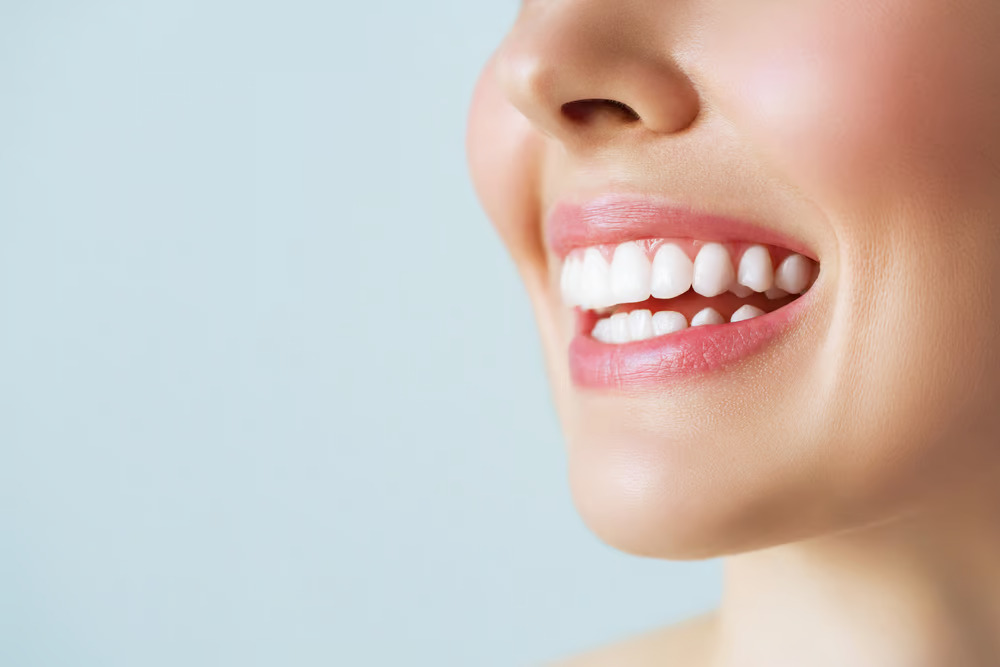
Teeth whitening sounds great — whiter smile, more confidence, fewer coffee stains. But, many people ask the real question: is teeth whitening safe? There’s a lot of hype, internet hacks, and conflicting advice out there. What’s real? What’s risky? Let’s break it down using solid research and dental guidance so you don’t end up worse off than when you started.
How Teeth Whitening Actually Works
Teeth whitening uses bleaching agents like hydrogen peroxide or carbamide peroxide to break down stain molecules and lighten the colour of your natural teeth. The chemicals create a reaction that penetrates the enamel and releases oxygen, which lifts stains. The strength of these agents varies depending on where the treatment happens — in a dentist’s chair or at home. Higher concentrations are generally more effective but also carry more potential for side effects if misused.
It’s important to know that whitening won’t affect crowns, veneers, bridges or fillings. Those materials won’t respond to bleach the way your natural enamel does.
What Dentists Say About Teeth Whitening Safety
The NHS and dental authorities emphasise that teeth whitening is not available under NHS care but can be done safely privately under a dentist’s supervision. Dentists examine your oral health first to make sure you’re a suitable candidate. They also protect your gums and soft tissues during treatment with shields or gels — that’s one big difference from DIY approaches.
UK rules are strict: only qualified dental professionals can legally provide whitening treatments that use between 0.1% and 6% hydrogen peroxide. Products containing more than 0.1% can only be supplied or administered by someone regulated, because too much peroxide can cause serious problems if used incorrectly.
Common Side Effects of Whitening
Even when done properly, there’s no guarantee that whitening will feel totally comfortable. Side effects can include tooth sensitivity — especially to hot and cold — and gum irritation. These effects are usually temporary, resolving after a few days once the whitening agent stops interacting with your teeth.
If peroxide leaks onto the gums or lips during treatment, it can cause sore spots or irritation. That’s why professional protection and precise application matter.
Risks of DIY and Over-the-Counter Kits
A big safety concern isn’t whitening itself. It’s how it’s done.
In the UK, over‑the‑counter kits and online products are limited to very low peroxide levels — often too low to change tooth colour much. When you see products that advertise stronger peroxide without dental oversight, that’s a red flag. Many unsafe online kits have been found to contain illegal or dangerously high peroxide levels — some up to hundreds of times above legal limits — putting users at risk of burns or long-term damage.
Using whitening strips or gels incorrectly — for longer than recommended, or more often than advised — can also raise side effects and potentially damage enamel or gums. These products may feel easy and cheap, but they’re not risk‑free.
Permanent Damage — Myth or Reality?
There’s worry online that whitening permanently weakens enamel. Research shows that when used appropriately under professional direction, whitening does not damage enamel. But misuse — excessive frequency, overly strong products, or applying them without dental supervision — can contribute to enamel softening and roughness, and make teeth more prone to sensitivity or staining later.
Sensitive Teeth and Gum Health: What to Watch For
If you already have sensitive teeth, gum recession, cavities, or active gum disease, whitening might not be the right step right now. A dentist can assess these conditions first, because bleaching on compromised enamel or exposed dentin can worsen sensitivity or irritation.
Temporary sensitivity is common and expected for many people. Dentists often recommend using toothpaste for sensitive teeth or fluoride gels after whitening to help calm nerves.
Safe Whitening Means Professional Supervision
Here’s a key takeaway: safe whitening is usually dentist‑supervised whitening. Seeing a dentist means you get a tailored approach, protection for soft tissues, and professional‑grade products that are effective and regulated. That’s much safer than random online kits or salon treatments that aren’t qualifying as actual dentistry.
Dentists know how to judge your overall oral health, adjust concentrations if needed, and help you avoid common side effects. That’s the difference between safe whitening and gambling with your smile.