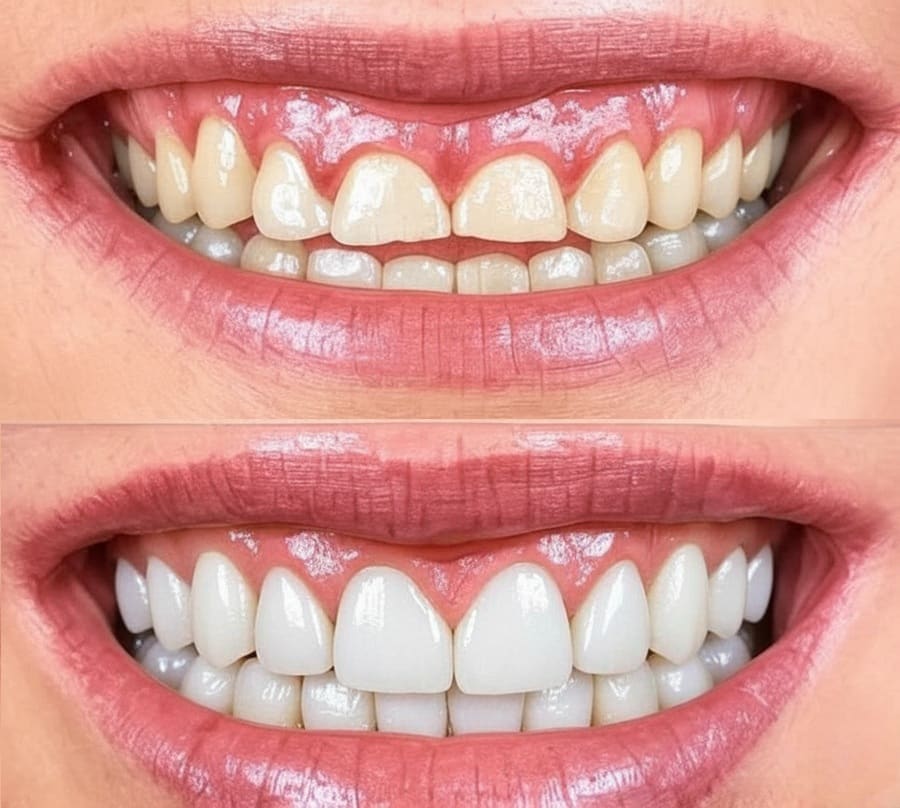
If your dentist has mentioned a dental crown, you’re probably trying to understand what that really means — not just the technical definition, but what it feels like, costs like, and lasts like in real life. Crowns fix cracked or heavily filled teeth, strengthen weak ones, or complete a restoration after a root canal. They’re not a quick aesthetic add‑on; they’re an investment in function and comfort that protects what you have left.
Across the UK there’s a mix of NHS and private care options, different materials with trade‑offs, and lifespans that vary based on how you care for them. Let’s break it down in plain terms, with real numbers and practical expectations.
What a Dental Crown Actually Does
A dental crown covers the entire visible part of a damaged tooth — like a custom cap that restores shape, strength, and chewing ability. Unlike a filling, which patches a hole, a crown reinforces a weakened tooth so it doesn’t crack under pressure. You don’t feel a crown once it’s placed; ideally it becomes part of your normal bite and looks like a real tooth. Some crowns follow root canal treatment, others are used when decay or cracks threaten the structure of a tooth. Crowns can also anchor a dental bridge or attach to implants. (general dental practice consensus)
Because crowns are custom‑built for each patient, the cost and longevity depend heavily on material, location in the mouth, and oral habits like grinding or biting hard foods.
Crown Types — What They’re Made Of and Why It Matters
There’s a surprising variety of crown types available in modern dentistry. Each has strengths and trade‑offs, particularly around appearance, durability, and cost:
Porcelain‑fused‑to‑metal (PFM) — This classic choice fuses strong metal inside with porcelain outside. It’s durable and a middle‑of‑the‑road aesthetic option, though a dark line can appear near the gum edge over time. Lifespan often falls around 10–15 years.
All‑ceramic/porcelain crowns (including E‑max) — Popular for front teeth where aesthetics matter most. They mimic natural enamel translucency. They typically last around 10–15 years when well cared for, but are slightly more prone to chipping than metal‑based crowns.
Zirconia crowns — A super‑strong ceramic that resists fracture and wear, often lasting 15–20+ years. They’re especially good for back teeth or heavy bite forces.
Gold and metal alloy crowns — Rarely chosen for visible teeth these days, but gold crowns offer exceptional durability (20+ years) and are gentle on opposing teeth when you bite down.
Composite/resin crowns — Typically a shorter‑term or budget choice, sometimes used as temporary crowns. These may last 3–7 years and are more prone to staining and wear.
Your dentist helps you weigh aesthetics (natural look) against reliability and cost based on where the crown goes and how you use your teeth.
What You Can Expect to Pay in the UK
Crown cost UK varies significantly depending on whether you use the NHS or go private. On the NHS (England), crowns are covered under Band 3 treatment with a fixed fee (around £326.70 in 2025) if clinically necessary; aesthetics and choice are limited.
Private prices are broader and material‑dependent: porcelain and ceramic crowns generally range from about £500 up to £900–£1,200; zirconia and premium e.max crowns often sit £700–£1,200+; gold or precious‑metal options can approach £1,500 or more. Temporary or resin crowns are cheaper (often £150–£300).
Location matters too: London practices often charge more than clinics in other parts of the UK because of higher operating costs, staffing and laboratory fees.
How Long Do Dental Crowns Last?
People often ask “how long will this crown really last?” Unlike a temporary fix, a permanent crown can endure years — but nothing lasts forever without care. Typical lifespans vary by material: porcelain and ceramic crowns often do 10–15 years, zirconia and metal crowns can go 15–20+ years, and well‑made gold crowns may last even longer.
Your habits are a big part of longevity. Poor oral hygiene lets decay sneak in at the crown margin (where the crown meets the tooth), and biting hard objects or grinding can chip or fracture even tough materials. Regular check‑ups, brushing with fluoride toothpaste, cleaning between teeth, and wearing a night guard if you grind will give your crown the best chance at a long life.
Choosing the Right Crown for You
There’s no one “best” crown for everyone. Front teeth call for aesthetics — all‑ceramic or e.max might be superior. Back molars, which bear heavy chewing forces, benefit from zirconia or even metal alloys. If cost is a major factor, resin or PFM might hit a sweet spot. Your dentist balances your budget, smile goals, function, and bite history to recommend the safest and most effective option.
Don’t forget: getting a crown often follows preparing the tooth, possibly after a root canal or large filling, and may require temporary crowns while the permanent one is made. Most dentists discuss all these steps and show you a treatment plan before starting.
Dental crowns aren’t just cosmetic pieces. They’re functional, protective restorations that can extend the life of compromised teeth and help you keep your natural smile longer. With proper care — brushing, flossing, avoiding hard snacks and regular dental reviews — crowns can serve you for many years, blending strength with aesthetics in a way that often feels completely natural once you get used to them.