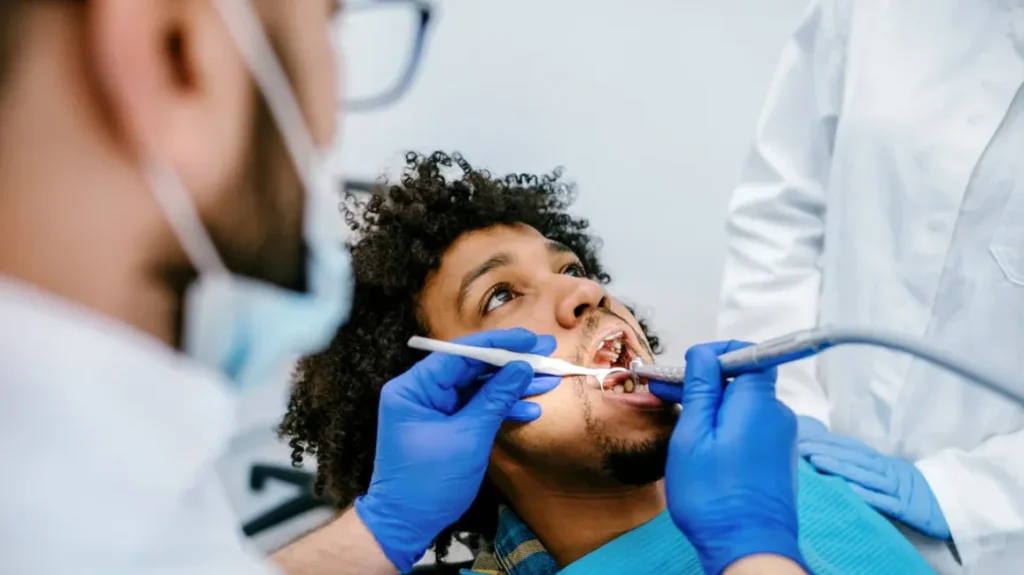
Getting a dental filling fixes a cavity and protects your tooth — but it isn’t a once for life deal. Most people walk out of the clinic thinking everything inside their tooth is permanent. That isn’t accurate. Dental fillings are durable, yes, but they wear down, chip, and eventually need replacing. How long that takes depends on what the filling is made of, where it sits in your mouth, and how you take care of your teeth. Here’s the straight talk on filling lifespan, realistic timelines for different materials, and what signs tell you a filling needs attention.
Different Materials, Different Longevities
Not all fillings are created equal, and their expected life spans vary widely by material. On average, most dental fillings last somewhere between 5 and 30 years, but that range reflects real world conditions — not ideal lab settings. Dentists often choose materials based on strength, visibility, and the stress a tooth experiences.
Composite (tooth‑colored) fillings are common because they match your natural teeth. They usually last about 7–10 years under typical conditions, though smaller fillings placed with excellent technique can sometimes exceed this.
Amalgam (silver) fillings are the traditional workhorse. They tend to be stronger in high‑pressure chewing areas and often last 10–15 years or more, especially on molars.
Gold fillings are less common but extremely durable — often 15–30 years or longer. They’re usually pricier and used when long‑term resilience matters most.
Porcelain/ceramic fillings — often made off‑site in a lab and bonded to the tooth — typically last 10–15 years and combine strong physical properties with good aesthetics.
Glass ionomer fillings are weaker and generally used near the gumline or in children’s teeth; they often last 5–7 years but have the added benefit of releasing fluoride.
No matter what type you have, none last forever, so regular checkups are essential.
Why Fillings Don’t Last Forever
Imagine your filling as a patch in a road. The patch does its job, but constant traffic, weather and wear eventually cause cracks or depressions. In your mouth, chewing forces, your bite pattern, diet (especially sugar and acid exposure), teeth grinding (bruxism), and brushing habits all influence how quickly a filling wears.
Fillings on back teeth typically face more chewing pressure and may wear faster than those up front. Likewise, large fillings that cover a lot of surface area can weaken over time because there’s less healthy tooth structure supporting them.
Signs You Might Need to Replace a Filling
There’s no fixed timer that pops up when a filling expires. Instead, dentists watch for changes in condition during clinical check‑ups — or you might notice symptoms yourself. Some red flags include:
- Sensitivity or pain when biting or with temperature changes.
- Rough, chipped or visibly worn filling surfaces.
- Food catching at the edge of the filling.
- Darkening or cracks around the filling.
- Recurrent decay around the old filling margin.
If any of these appear, it’s a sign your original filling is losing its seal with the tooth, letting bacteria in, and may soon need replacement. Dentists also use X‑rays and gentle probing to detect decay hiding under an otherwise intact surface.
Replacement Doesn’t Always Mean Failure
People often assume that needing a new filling means something went wrong. That’s not how dentists see it. A filling simply has a functional lifespan — like tires on a car — and replacement is part of long‑term dental care. A well‑maintained filling might serve you for well over a decade, and sometimes significantly longer, especially the more durable varieties like gold or high‑quality ceramic.
The key is not waiting for pain before you see your dentist. Problems often start before you feel them. Routine exams catch wear and decay early, and an early replacement keeps the underlying tooth healthier and stronger.
Can You Make Fillings Last Longer?
You absolutely can. Good oral hygiene — brushing twice a day with fluoride toothpaste, daily flossing, limiting sugar and acidic drinks, avoiding chewing hard objects, and wearing a night guard if you grind — all support a longer filling lifespan. Regular dental check‑ups every six months let your dentist watch for subtle changes and intervene before a small issue becomes a big one.
Even your diet and habits matter more than most people realise: frequent sugar exposure fuels decay at the edges of fillings, and chronic clenching puts physical stress directly on the material. Addressing these reduces wear and risk of failure.
When a Filling Replacement Leads to Other Options
Occasionally, when a filling wears out repeatedly or decay is extensive, your dentist may recommend a stronger solution like an inlay, onlay, or crown. These are more robust restorations that protect more of the tooth structure. Choosing the right replacement depends on how much healthy tooth is left and the location of the cavity.
Also, some people favour certain materials for a second filling based on prior experience — for example requesting ceramic or gold for longer durability in a high‑stress area. Your dentist can help balance aesthetics, cost, and long‑term performance.
Dental fillings are a cornerstone of preventive dentistry. They literally seal the door against decay when placed well and maintained. But like most restorative materials in your body, they have a finite life. By understanding how long fillings last, watching for early signs of wear, and keeping up with preventive care, you can ensure fillings protect your smile for as long as possible — and replace them safely and rationally when the time comes.