Parents often wonder whether crooked teeth will “sort themselves out” as their child grows. Sometimes they do. Often, they don’t. The question of whether a child needs braces isn’t only about straight teeth or a nice smile. It’s about how the jaws grow, how teeth meet, and how everyday things like chewing and speaking are affected. Kids orthodontics today focuses on early observation just as much as active treatment. Knowing the signs early can save years of discomfort later.
At What Age Do Dentists Start Looking for Orthodontic Problems
Orthodontic monitoring starts earlier than most people expect. In the UK, dentists usually begin assessing bite and jaw development around age six or seven. This doesn’t mean braces straight away. It’s more like watching the roadmap as adult teeth begin to appear. The question of when to start braces depends on growth patterns, not just age. Some issues are easier to guide early, while others are best treated once most adult teeth are in place.
Crowded or Overlapping Teeth That Don’t Improve
Crowding is one of the most common reasons children are referred for orthodontic checks. If adult teeth erupt and seem to stack, twist, or overlap heavily, it’s often a sign there isn’t enough space in the jaw. Mild crowding can sometimes settle as the mouth grows. More severe cases usually don’t. Dentists pay attention to whether spacing improves over time or gets worse with each new tooth. Persistent crowding is a classic indicator that a child may need braces later on.
Bite Problems: When Teeth Don’t Meet Properly
A child’s teeth should come together comfortably when they bite. When they don’t, orthodontists notice. Overbites, underbites, crossbites, and open bites can all affect how pressure is distributed when chewing. An open bite, for example, means front teeth don’t touch at all. A crossbite can cause uneven jaw growth if left untreated. These issues are not cosmetic quirks. They’re functional problems that can worsen as a child grows, making early kids orthodontics assessment important.
Difficulty Chewing or Speaking Clearly
Sometimes the first clue isn’t visual. It’s functional. Children who struggle to bite into foods cleanly, chew efficiently, or pronounce certain sounds may have alignment issues. Speech difficulties don’t always mean braces are needed, but they can be linked to how teeth and jaws sit together. Dentists look at how the tongue moves and rests, and whether tooth position interferes with normal function. These subtle signs often appear before obvious crookedness.
Early or Late Loss of Baby Teeth
Timing matters. Losing baby teeth too early can cause neighbouring teeth to drift into the empty space, blocking adult teeth from erupting properly. Losing them too late can also cause alignment issues if adult teeth are forced to come through at awkward angles. Dentists track eruption patterns closely. Irregular timing doesn’t automatically mean braces, but it raises a flag that future orthodontic treatment may be needed.
Jaw Growth That Looks Asymmetrical
When one side of the jaw grows faster than the other, it can affect facial balance and bite alignment. Parents sometimes notice that a child’s smile looks uneven, or that the chin shifts to one side when they bite down. These growth discrepancies are easier to guide during childhood than in adulthood. Early assessment doesn’t always mean immediate braces, but it helps orthodontists plan the right timing if treatment becomes necessary.
Habits That Affect Tooth Position
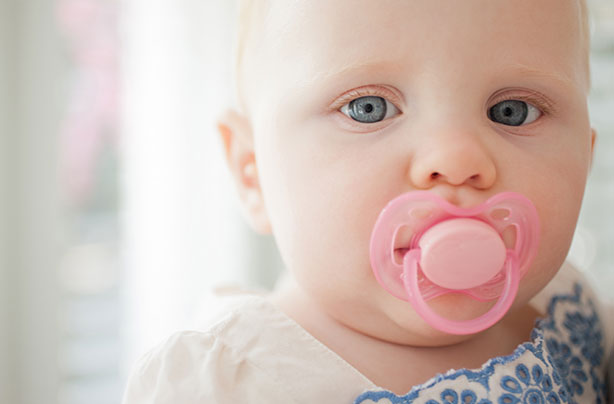
Thumb sucking, prolonged dummy use, and even tongue thrusting can all influence tooth alignment. If these habits persist beyond early childhood, they can push teeth forward or alter the shape of the dental arch. Dentists don’t rush to braces just because a habit existed, but if tooth position has already changed, orthodontic input may be advised. Habits plus visible alignment changes often go hand in hand.
Pain, Clicking, or Jaw Discomfort
Children don’t always explain discomfort clearly. Jaw clicking, headaches, or complaints of tired jaws after eating can point to bite imbalance. These symptoms are sometimes overlooked because children adapt quickly. Dentists consider them carefully, especially if combined with visible alignment issues. Braces aren’t always the solution, but orthodontic evaluation becomes important when discomfort appears alongside structural concerns.
So, When Do Braces Actually Start
Not every child who shows these signs will need immediate treatment. Some orthodontic care starts early, around ages seven to nine, using simple appliances to guide growth. Traditional braces more often begin in early adolescence, once most adult teeth have erupted. The key point is that early identification gives families options. Waiting until all adult teeth are in can limit those options.
Understanding whether your child needs braces isn’t about guessing or comparing smiles with classmates. It’s about observing growth, function, and change over time. Regular dental visits create that timeline. The signs are often there quietly, long before braces become an obvious conversation.