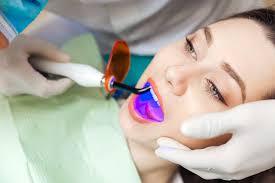
Walking into a dental appointment used to mean one thing for many people — the sound of the drill, the feeling of pressure, the fear of pain. But technology has shifted, and laser dentistry is rapidly becoming a hallmark of modern dental technology that transforms those experiences. Dentists are integrating lasers into everyday practice because the benefits — less discomfort, faster healing, more precision — are real and increasingly backed by clinical research and professional experience. If you’ve ever avoided treatment because you dread the drill or want a gentler option, this exploration of laser dentistry will give you grounded insights into where dental care is headed.
What Laser Dentistry Actually Is
Laser dentistry uses concentrated beams of light energy to perform a range of dental treatments — from soft tissue procedures like gum reshaping to hard tissue work like removing decay. The technology allows dentists to target specific areas with extreme accuracy, minimizing damage to adjacent tissues. That precision is part of what makes these procedures feel different — quieter, gentler, and often less intimidating than traditional drills and scalpels.
It’s important to understand that laser dentistry doesn’t replace all tools in a dentist’s kit. In some cases, traditional methods are still needed, especially for large cavities or complex reconstructions. But as an adjunct — something added to the toolbox — it changes the experience for both patient and clinician.
Why Laser Dentistry Is Pain-Reducing
One of the biggest reasons patients choose laser treatments is comfort. Traditional drills and scalpels can cause vibration, noise and pressure — all factors that heighten dental anxiety. Lasers, in contrast, often eliminate the need for anesthesia and reduce discomfort during the procedure itself. Because lasers can seal nerve endings and small blood vessels as they work, many patients notice less pain both during and after treatment — sometimes little to no discomfort.
For anxious patients, this isn’t just a minor improvement — it can be the difference between avoiding the dentist and finally getting necessary care. The absence of loud drilling sounds, pressure, and the need for deep numbing injections makes the experience closer to pain-free dentistry than conventional care for many.
Faster Healing and Lower Infection Risk
Because lasers are so precise, they cause less trauma to gum and tooth structures, which contributes to faster healing after treatment. Lasers also sterilize the treatment area as they work, killing bacteria and reducing the risk of post-operative infection — a benefit especially relevant in procedures involving soft tissues like gums. Many clinicians note that the minimized bleeding and tissue damage associated with lasers help wounds heal faster and more comfortably.
For patients who want to return to normal life quickly after treatment — eating, speaking, socialising without discomfort — those faster recovery times are a practical advantage.
Precision You Can’t Get With Traditional Tools
Another advantage of laser technology is precision. Dental lasers allow clinicians to focus energy exactly where it’s needed — removing decay, reshaping gum tissue, or treating periodontal pockets — while leaving healthy tissues untouched. Laser beams are designed to interact selectively with different tissues, which means dentists can preserve more of the natural tooth or gum structure than they might with traditional cutting instruments.
This is more than a technical detail; it’s a clinical benefit. Preserving healthy tissue contributes to stronger long-term outcomes and often better cosmetic results, particularly in procedures like gum contouring or laser-assisted teeth whitening.
Applications of Laser Technology in Dentistry
Lasers aren’t limited to a single type of dental treatment. Today’s technology can be used across a wide range of procedures, including:
- Treating gum disease and periodontal issues by removing infected tissue
- Cavity preparation and decay removal in some cases
- Soft tissue surgeries like frenectomies or gum reshaping
- Teeth whitening procedures that activate bleaching agents
- Bacterial reduction in root canal therapy — enhancing disinfection and outcomes
This versatility is part of why modern dental clinics are investing in laser systems: the technology supports both restorative and cosmetic care, often with better control and comfort than traditional approaches.
What Patients Notice Most
From the patient perspective, the shift toward laser dentistry often means the dental appointment feels less like an ordeal. Reports and clinical observations highlight that many people experience:
- Reduced need for anesthesia or none at all for certain procedures
- Minimal swelling and bleeding because lasers seal blood vessels
- Quieter treatments — lasers don’t make drilling noises
- Shorter appointments and faster healing
These experiences can have a psychological ripple effect: fewer missed appointments, less anxiety about check-ups, and a greater likelihood of staying on top of dental health because the fear factor is significantly lower.
Limitations and Practical Reality
Laser dentistry is promising, but it’s also important to understand its current limitations. Not all dental procedures can be completed with lasers — especially deep decay removal in teeth with existing fillings — and the technology can be more expensive due to the specialized equipment and training required. Some treatments still need traditional instruments alongside laser work, and not all clinics offer laser services yet because of these barriers.
Cost and availability vary by clinic and treatment type, so it’s wise to talk with your dentist about whether laser options are appropriate for your specific needs before assuming it’s the default choice.
What the Future Holds
Research and clinical experience reflect that laser dentistry is not a fleeting trend but a genuine advancement in how dental care is delivered. Studies consistently show that lasers reduce pain, enhance precision, promote quicker healing, and offer less invasive alternatives to many traditional procedures, which is why the technology continues to expand in modern practice.
As more dentists adopt lasers and training becomes more widespread, pain-reducing techniques that once seemed futuristic are quickly becoming part of routine dental care — making pain-free dentist experiences more accessible to everyday patients.
Laser dentistry reflects a shift in dental care from harsh, invasive tools toward precise, patient-friendly methods that prioritise comfort and outcomes. For anyone who avoids the dentist because of fear of pain or discomfort, understanding these developments offers real hope: dental treatment that heals faster, feels less intimidating, and leverages the best of modern technology.