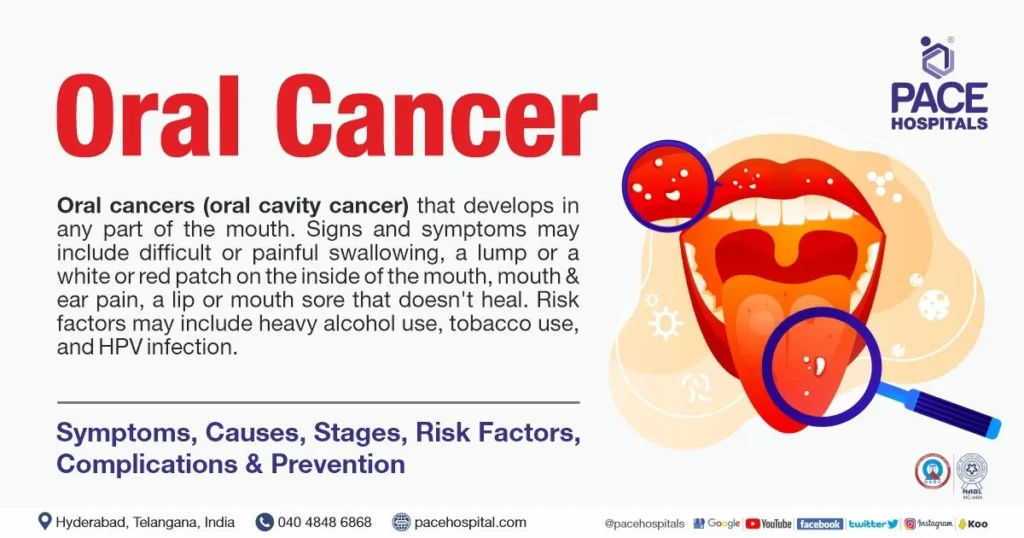
Oral cancer may not grab headlines every day, but it’s serious — and it’s surprisingly common in the UK. Tens of thousands of people are diagnosed annually, and cases have been rising steadily over the past 20 years. Early detection makes a huge difference in outcomes, yet many people miss the subtle signs until it’s progressed. This article breaks down oral cancer symptoms, key mouth cancer signs to watch for, and why oral cancer screening — by you and your dentist — matters.
Cancer isn’t always pain or drama at first. Often it’s tiny, persistent changes that don’t go away — sores, patches, lumps — that are easy to ignore. But recognising them early gives you a better chance to treat and, in many cases, cure the disease before it spreads.
What Oral Cancer Is and Where It Can Appear
Oral cancer refers to malignant growths that develop in or around the mouth. That includes the lips, tongue, cheeks, gums, the floor or roof of the mouth, and the throat. These cancers are usually squamous cell carcinomas — a type that starts in the flat cells lining these tissues.
While it’s more common in people over 40, oral cancer can affect adults of all ages. Several factors — tobacco (smoked or chewed), heavy alcohol use, HPV infection, sun exposure on the lips, and poor diet — raise your risk. Some are lifestyle‑related, others not. Regardless of risk, early signs can show up in everyone.
Persistent Mouth Sores That Don’t Heal
One of the most common oral cancer symptoms is a mouth ulcer or sore that doesn’t heal within three weeks. Normal canker sores usually ease within days, but a cancer‑related lesion persists and may even bleed. It might feel odd, but not always painful at first. Because it sticks around week after week, it’s worth checking.
This isn’t just a minor irritation. If something feels off for more than a few weeks — no matter how small — that’s exactly the kind of change doctors want to see early.
Red or White Patches in the Mouth
Another key mouth cancer sign is patches or areas that don’t look like your normal tissue. A white patch (leukoplakia) or a bright red patch (erythroplakia) on the gums, tongue, or cheek lining should raise concern if it doesn’t fade. These patches can be precancerous or cancerous and need evaluation by a professional.
Sometimes they’re rough, slightly raised, and downright unusual compared to the surrounding tissue. That contrast is what really matters — it’s the persistent difference that’s the red flag.
Lumps, Swelling and Rough Areas
Unexpected lumps or thickened tissue in your mouth, lip, or even on your neck are part of early warning changes. These can be subtle — a bump you didn’t have before, or an area that feels firmer under your finger than surrounding tissue. Unlike innocent swellings from a bite or irritation, cancer‑related lumps don’t usually disappear after a few days.
Swelling or lumps near lymph nodes in the neck are especially important. Even if they’re painless, they’re worth a professional look — doctors and dentists check for these during routine exams for exactly this reason.
Changes in Function: Eating, Swallowing, Speaking
Mouth cancer doesn’t just change what you see, it also changes what you feel and do. Difficulty or pain while chewing, swallowing, or moving your jaw is a classic set of oral cancer symptoms. A feeling that something is stuck in your throat, new trouble speaking clearly, or a hoarse voice that won’t go away can also be related because tumours can affect muscles and nerves even before they’re visible.
If these changes persist for weeks, they’re not normal and they shouldn’t be dismissed as indigestion or a “bad day.”
Unexplained Numbness, Loose Teeth or Bad Breath
There are other, less obvious mouth cancer signs that astute patients and clinicians watch for. Persistent numbness in the tongue, lips, or jaw — that strange tingling or loss of sensation — should not be ignored. So can unexplained changes in denture fit, loose teeth without obvious gum disease, or chronic bad breath that doesn’t clear up with improved hygiene. These are subtle but real clues your body is signaling something deeper.
None of these symptoms guarantee cancer — and many common issues like infections or irritation can mimic these signs — but their persistence beyond normal healing time is what makes early detection so critical. That’s why doctors and dentists emphasise getting checked sooner rather than later.
Why Oral Cancer Screening Matters
Here’s the crucial bit: there’s no national population screening programme for oral cancer like there is for breast or cervical cancer, but that doesn’t mean you’re on your own. During routine dental check‑ups, dentists do perform oral cancer screenings — eyes and hands inside your mouth and around your head and neck to spot anything unusual. They’re trained to catch suspicious patches, lumps, or texture changes that you might never notice on your own.
In addition to professional screening, you can do simple self‑checks monthly — using a mirror, look for sores, colour changes, lumps, or unusual textures. Combining personal vigilance with professional exams makes early detection “common sense,” not paranoia.
Early‑stage oral cancer has a much better prognosis than late‑stage disease. Catching it while it’s still small often means less invasive treatment and a higher survival rate — sometimes up to nine out of ten cases when detected early.
What to Do if You Notice Something Unusual
If you spot any of these persistent changes — ulcers, unexplained lumps, coloured patches, difficulty swallowing, numbness — don’t wait. Seeing a dentist or GP quickly allows them to assess and, if necessary, refer you for further tests or biopsy. Waiting rarely makes anything easier.
The mouth is a window to your wider health. Small changes can signal harmless conditions, but they can also be oral cancer symptoms in the early stages. Knowing the warning signs — and acting on them without hesitation — is one of the most proactive things you can do for your health. Regular check‑ups, self‑awareness, and prompt action can make the difference between early treatment and advanced disease. Early detection gives you a choice — a much stronger one than waiting until symptoms become severe.