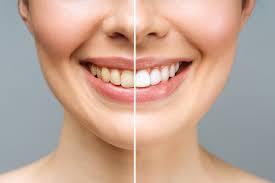
Wanting a brighter smile is one thing. Finding out how much teeth whitening UK actually costs, and what options are real and safe, is another. There’s a lot of noise out there — cheap products, salon offers, online kits — but UK rules and dental science make the landscape more complex than it looks at first glance. Knowing what’s legal, what works, and what it really costs helps you avoid mistakes, wasted cash, or worse — damage to your teeth.
Why Professional Teeth Whitening Is Different in the UK
In the UK, teeth whitening isn’t something you can just grab off the shelf and expect dramatic change. The law is pretty strict about peroxide levels in over‑the‑counter products. They’re limited to 0.1% hydrogen peroxide, which barely moves the needle unless you’re talking about very mild surface stains. Anything stronger, legally, has to be dentist‑prescribed or done under their supervision — that’s the rule from dental regulators and the British Dental Association. Salon offers claiming dramatic results? Many are technically illegal and dangerous, risking gum burns or sensitivity.
That’s where professional teeth whitening comes in: gels with higher peroxide strength, custom fitting, and proper monitoring. It’s not just about whitening. It’s safety and long‑term dental health.
How Much Teeth Whitening UK Costs — Professional Side
Professional whitening costs vary wildly depending on approach, clinic location, and the technology used. Because beauty salons and non‑dentist providers can’t legally use strong bleaching agents, the most effective results almost always come through a dentist or dental clinic.
At the lower end, dentist‑supervised take‑home kits with custom trays and stronger gel usually run around £200–£400. These kits involve your dentist making impressions of your teeth and fitting you with trays to use at home for a couple of weeks. The results come more slowly but are often more controllable.
Jump up to in‑chair treatments — often LED or laser‑activated whitening — and costs typically sit between £300 and £800, sometimes more in big cities like London. These sessions can make teeth several shades lighter in a single visit, though sensitivity afterward is common.
There are also combined approaches, sometimes called “combo whitening,” where an initial in‑chair session is followed up with at‑home trays. Costs for these packages can range roughly £450 to £1,000 or more. Again, location matters — central London clinics generally charge more than practices outside major cities.
At‑Home and Over‑the‑Counter Options — What They Really Do
If professional costs seem high, at‑home whitening strips or LED kits from the high street look tempting. They’re cheap — often under £50 — but the trade‑offs are real. The peroxide levels in legal UK products are very low, so results are subtle at best. Professional gels are many times stronger and reach deeper stains. Even then, neither approach changes the colour of crowns, veneers, or fillings — something easily missed when you’re budgeting.
Using random bleach products online may seem cheaper, but there’s risk. Products labelled more potent often bypass UK regulation and can damage enamel or cause gum irritation and pain. Dentists and experts caution against DIY remedies like lemon juice or baking soda — they remove surface mineral and make teeth look chalky or weaker.
Expectations vs Reality: Teeth Whitening Results in the UK
It’s tempting to think you’ll go from dull yellow to Hollywood white overnight. In reality, results depend on your starting shade, diet, smoking habits, and genetics. Dentists talk in shades of whiteness, not an absolute number. Even the best professional treatment might take a couple of weeks to show its full effect, especially with take‑home kits.
A single in‑chair session can lighten teeth noticeably, but it’s usually the start of a broader plan rather than a one‑and‑done dazzling transformation. For some, a combination of professional cleaning, at‑home trays, and lifestyle changes (cutting coffee, red wine, smoking) yields the best long‑term effect.
Aftercare and Longevity of Teeth Whitening
Whitening isn’t permanent. Most people find that after about one to two years, stains begin to return, especially if they drink staining beverages frequently. Many dentist‑supervised programs include or offer top‑up gels for maintenance — these can cost less than the initial treatment and keep your smile bright.
Sensitivity after whitening is common — some people avoid ice cream for a week or two. A dentist can recommend desensitising gel or timing strategies to minimise discomfort. Good oral hygiene at home, including regular flossing and professional cleanings, also helps preserve results longer.
Where Professional Whitening Fits in Your Smile Plan
Teeth whitening is cosmetic — not medically necessary for most people. That means NHS won’t cover it, except in very rare cases of medical need. Anyone considering it should weigh the costs against alternatives like a good hygiene appointment, which sometimes removes surface staining before any whitening.
Talking with a dentist before booking bleaching is wise. They can assess existing dental work, gum health, and whether whitening makes sense. Sometimes the first step is fixing decay or gum disease — no amount of peroxide hides a cavity.
Few treatments mix confidence, cost, and complexity the way whitening does. Done smartly and safely, it can boost how you feel in photos, meetings, or just everyday life. Done without knowledge or professional oversight, it can leave you disappointed — or worse. Knowing the real whitening cost, expectations, and what options truly deliver results keeps your smile both bright and healthy.