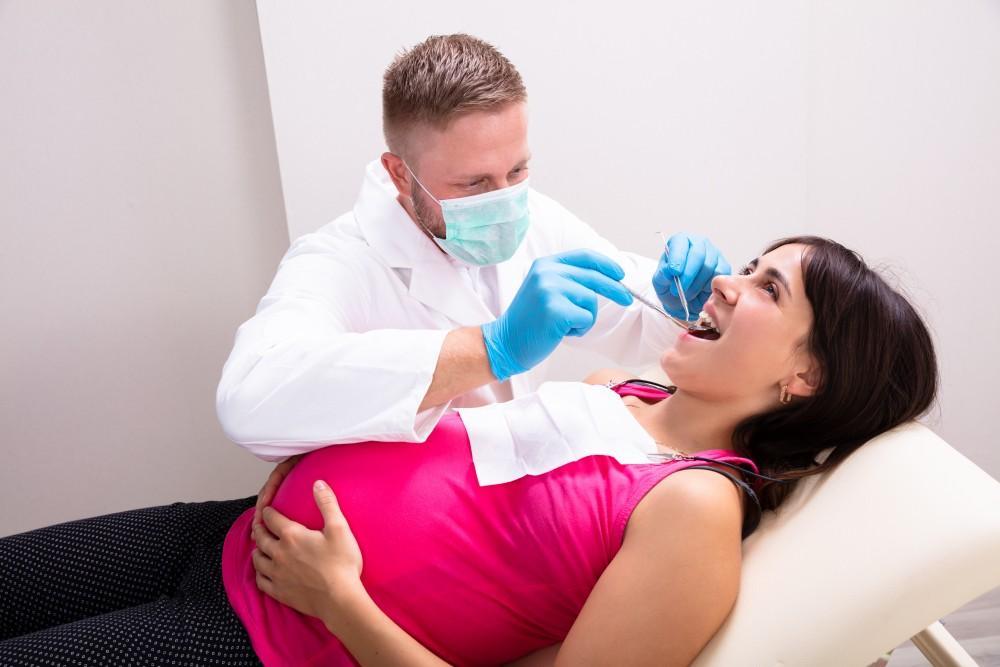
Pregnancy brings a whirlwind of changes — body shape, hormones, mood, cravings — and your mouth is not immune. Many expectant mothers notice differences in their teeth and gums, sometimes surprising or uncomfortable ones. The truth? pregnancy dental care isn’t just a “nice to have.” It’s an essential part of both your health and your baby’s wellbeing. Ignoring your oral health during this time can lead to problems that impact more than just your smile. Let’s explore what happens to your teeth during pregnancy, common challenges, practical care tips, and how to navigate dental visits while expecting.
Hormonal Shifts Change Your Mouth More Than You Think
Pregnancy causes a surge in hormones like estrogen and progesterone. These shifts affect blood flow, immune response, and tissue sensitivity — including in your gums. That makes pregnant women more prone to inflammation and plaque are often easier to irritate with a toothbrush or floss, which can lead to pregnancy gingivitis — gums that are swollen, tender, and bleed more than usual. It’s common and usually treatable, but if left unaddressed it can escalate into more serious gum disease.
These hormone‑driven changes don’t cause dental problems themselves, but they make your teeth and gums react differently to the same amount of plaque you had before pregnancy. So what used to feel “normal” might feel sore, tender or more inflamed.
Morning Sickness and Enamel Erosion — A Hidden Issue
Vomiting from morning sickness — especially if frequent — isn’t just unpleasant; it exposes your teeth to stomach acids. Those strong acids can soften enamel, increase decay risk, and make your tooth surfaces more vulnerable to erosion. Brushing immediately afterward can make this worse because softened enamel can scrub away more easily than at other times.
Dentists often recommend rinsing with plain water or a simple baking soda solution after vomiting to neutralise acid, then waiting at least 30 minutes before brushing so enamel can re‑harden.
Cavities and Diet Changes During Pregnancy
Cravings and changes in diet — more snacks, more sweets, more grazing throughout the day — are common during pregnancy. That’s a problem because frequent sugar exposure fuels the bacteria that cause tooth decay. Add a sensitive gag reflex and nausea to the mix, and regular brushing and flossing sometimes fall by the wayside. That increases the risk of cavities.
Keeping sugar‑rich foods and drinks to mealtimes and not as constant snacks can reduce that risk. Drinking plenty of water and rinsing your mouth after meals also helps keep acid and sugars from lingering.
Safe Dental Visits During Pregnancy — Yes, You Can Go
A common misconception is that dental care must be avoided during pregnancy. That’s not accurate. Routine dental check‑ups and cleanings are safe and recommended throughout pregnancy — and particularly useful. Dentists want to know you’re pregnant so they can tailor your care, pick safe medications, and plan treatments accordingly.
Urgent or necessary care — fillings, cavity treatment, professional cleaning — can be done during any trimester if needed. However, many practitioners suggest scheduling elective or non‑urgent procedures in the second trimester, when nausea is hopefully waning and comfort is better.
Dental X‑rays are generally avoided unless absolutely necessary, but if an X‑ray is required, modern shielding makes them very safe. Always let your dentist know you’re pregnant so protective measures are taken.
Gum Disease and Pregnancy — Not Just a Mouth Problem
While swollen gums and bleeding aren’t glamorous topics, they matter. Gum disease that goes untreated — especially periodontitis — isn’t just uncomfortable, it’s linked in research to adverse outcomes like preterm birth or low birth weight. This connection isn’t about plaque directly harming the baby, but about inflammation in the mother’s body affecting pregnancy outcomes.
That’s why dental professionals encourage proactive care. Treating gingivitis early — through professional cleanings and good oral hygiene — reduces inflammation and bacterial load before it becomes a deeper issue.
Practical Pregnancy Dental Care Routine
Hormones, nausea, food preferences — it’s a lot to juggle. But some practical habits make a huge difference:
- Brush with a soft‑bristled toothbrush and fluoride toothpaste at least twice a day.
- Floss once daily, even if gums bleed slightly — bleeding gums often get better with consistent, gentle flossing.
- Rinse after vomiting before brushing.
- Eat balanced meals and limit sugary snacks.
- Attend regular dental check‑ups and tell your dentist about your pregnancy.
These routines not only protect your teeth and gums now, but may reduce the risk of complications later.
Myths and Truths About Teeth and Pregnancy
There’s an old wives’ tale that you’ll “lose a tooth for every child.” That’s not based in science. You won’t lose calcium from your teeth for the baby. Any mineral needs the fetus has come from your diet, not from robbing your teeth.
However, poor oral care during pregnancy — combined with dietary and hormonal changes — can make dental issues more likely. The difference comes down to prevention and care, not inevitability.
When to See Your Dentist Sooner
Some signs shouldn’t wait for the next appointment. Persistent pain, swelling, bleeding that doesn’t improve with gentle care, or signs of infection — all of these warrant a dental visit, even if you’re in your first trimester. Emergency treatment is safe and often better than waiting until things get worse.
Dental health is part of your overall prenatal care — when you take care of your mouth, you take care of your body and, indirectly, your baby. Pregnancy isn’t a time to ignore dental issues, it’s a time to be extra aware and proactive about them. With good habits, regular check‑ups, and a dentist who knows you’re expecting, you can protect your smile — and enter motherhood with one less worry on your mind.