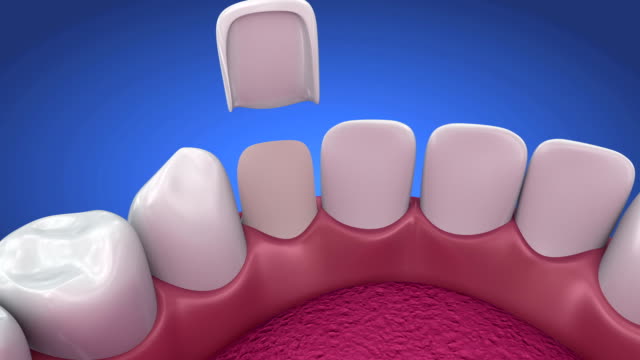
If you’ve been scrolling social media, you’ve likely seen it: Turkey teeth hashtags, perfect white smiles, “smile makeover in a week” promises and cheap veneers abroad packages that look almost too good to be true. For many, the lure of dramatically lower costs is a powerful pull. A full set of veneers in Turkey can cost a fraction of what it would in the UK or US — sometimes as much as 70% less. But before you buy that flight and deposit, there’s a complex reality waiting below the surface, one that doesn’t always show up in glossy before/after photos.
The Lure of Low Prices
It’s true that seeing “veneers for £200 a tooth” feels like a steal compared with £800–£1,200 or more back home. Clinics in Turkey often bundle travel, accommodation and treatment into an all‑inclusive dental tourism price, making the whole experience feel convenient and affordable. Lower operational costs and competitive markets help explain why these prices exist. But while some clinics do offer quality service, the price differential isn’t magic — it reflects differences in healthcare systems, regulation, and economics.
Even experienced dentists stress that not all overseas treatments are inherently bad. Some practices use modern materials and techniques fitting the same technical standards as Western clinics. But the devil is in the details — and in the variation between providers that you simply can’t judge from a website or a social post.
Risks Hidden Behind the Smile
One of the biggest issues people discover after booking cheap veneers abroad is the wide variation in quality and clinical standards. In some cases, materials used are lower grade, leading to veneers that stain, chip or fail prematurely compared with high‑end porcelain options. Regulatory frameworks and oversight vary in Turkey. What’s acceptable in one clinic might be far below what your dentist at home would consider safe or professional. Clinics focused on high throughput may cut corners on sterilisation, personalised planning, and long‑term oral health in the rush to treat many patients.
A particularly dangerous trend isn’t just cheap veneers — sometimes they’re not veneers at all, but crowns disguised as cosmetic treatments. Procedures that remove excessive enamel or prepare teeth aggressively can permanently weaken your natural structure, increasing sensitivity, decay risk, and future dental needs. These are not simple cosmetic enhancements — they are irreversible alterations with lifelong impact.
Aftercare: The Invisible Cost
Here’s where the “cheap” veneer narrative often unravels: once you return home, aftercare becomes complicated and expensive. Proper dental work includes follow‑up for bite adjustments, gum health checks and potential tweaks. In many dental tourism setups, follow‑up appointments aren’t included or are difficult to schedule.
If complications arise — infection, poorly fitting veneers, biting problems — you may have to pay local dentists to fix what was done abroad, often at much higher costs than the original treatment would have been. Some resources highlight cases where the long‑term costs of corrective work ended up exceeding the initial savings by a significant margin. Add travel expenses and lost work if another trip abroad becomes necessary and the “cheap veneer holiday” suddenly looks far less economical.
Communication Gaps and False Expectations
Language barriers and miscommunication can also distort outcomes. Even in clinics with English‑speaking staff, misunderstandings about shade matching, veneer shape, or aesthetic goals are common. If the result doesn’t match your vision, you’re usually stuck with it or faced with costly corrections.
Poorly fitted veneers don’t just look odd — they can trap food, irritate gums, and make oral hygiene more difficult. These aren’t vanity problems, they are functional ones that affect everyday comfort and health.
Long‑Term Oral Health Considerations
Popular UK commentary from dental professionals has warned that some Turkey teeth procedures do more harm than good, leading to nerve damage, pain, or even tooth loss when work is rushed or improperly planned. UK dentists sometimes refuse to correct botched veneers done abroad because legal and clinical risks are involved, leaving patients stranded with suboptimal results.
The permanent nature of veneer preparation — especially when it involves aggressive enamel removal — can lead to sensitivity and a lifelong dependency on restorations to keep your smile functional. That’s not an issue to gloss over.
Quality Can Be Good — But It’s Uneven
Not all Turkish clinics are poor quality. Some boast modern equipment and experienced teams capable of delivering excellent cosmetic results. But the landscape is mixed, and because there isn’t a single uniform regulatory body that matches UK or EU dental oversight, your experience can differ dramatically from one clinic to the next.
That means research isn’t optional. It’s critical.
What To Do If You’re Considering It
If you’re still curious about cheap veneers abroad, do more than read an Instagram ad. Verify the clinic’s certification, ask for case histories, understand material types and brands, and — if possible — get an independent opinion from a local dentist before you commit. Knowing exactly what you’re getting, how follow‑up care works, and where liabilities lie is essential.
Also take a hard look at the potential dental tourism risks you could face — from irreversible tooth damage to hidden costs that quietly erode any upfront savings. The cheapest veneer vacation can leave you with expensive, long‑lasting problems if you don’t approach it with eyes wide open.
Understanding the real implications of “Turkey teeth” means weighing short‑term savings against long‑term health. That’s the only way to decide whether cheap veneers are truly worth it in your case.