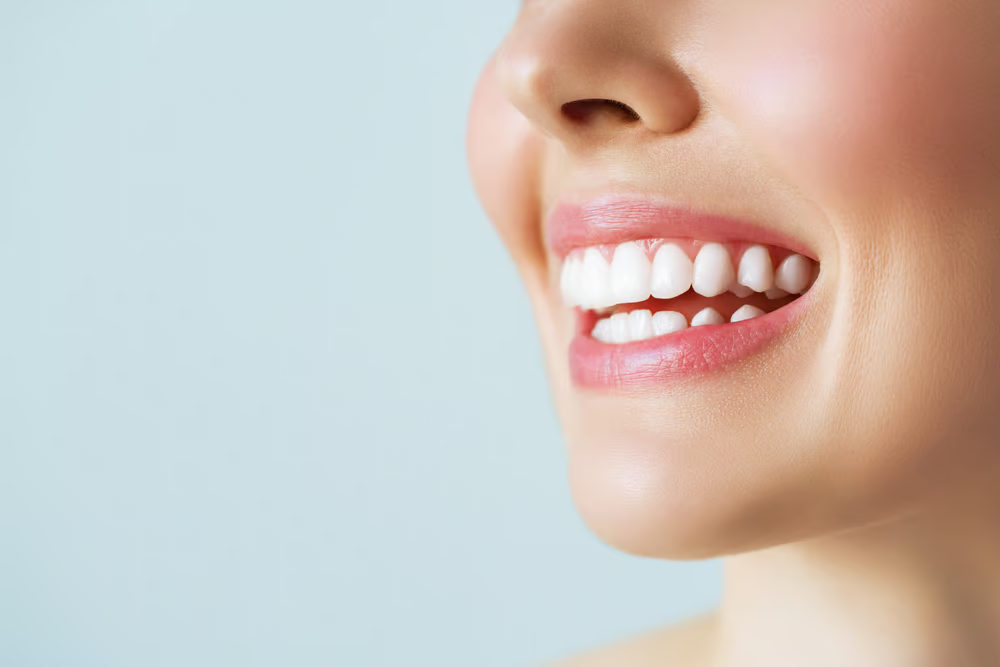
Gum contouring — also called gum reshaping — has gone from a niche cosmetic tweak to one of the more talked‑about options for improving your smile. If you’re bothered by a gummy smile, uneven gum lines or teeth that look short or stubby because the gums sit too high, this treatment can change how your smile appears. But as with any cosmetic dental procedure, there’s a lot to unpack: what it involves, how much it costs in the UK, and what recovery really looks like when you get it done. Here’s a deep dive into all that, based on real practice pricing and dental guidance.
Gum contouring is more than just aesthetic. For some people it’s about symmetry, for others it’s about confidence — and in a few cases, it’s recommended to address health issues related to gum structure. Understanding the process and cost helps you really decide whether it’s worth pursuing.
What Gum Contouring Actually Is
Gum contouring is a dental procedure where excess gum tissue is removed or reshaped to create a more balanced, symmetrical gumline. This can dramatically alter the way your teeth look because too much gum covering the teeth makes them appear shorter or less defined — what most people call a “gummy smile.” Dentists may use traditional surgical tools or more modern techniques, such as laser gum contouring, which tends to reduce bleeding and discomfort during and after the procedure.
The core goal is straightforward: expose more of the natural tooth surfaces in a way that looks harmonious with your facial features. Some people want this purely for appearance, others because their gum shape traps plaque or interferes with brushing. Either way, the dentist assesses your gum health first to make sure you’re a good candidate.
Gummy Smile Treatment: Why People Choose It
When you see a smile where the gums show more than the teeth, it doesn’t always mean there’s something medically wrong, but it can make some people self‑conscious. A “gummy smile treatment” like gum contouring aims to improve that ratio — more tooth, less gum — so the smile looks balanced. In many cases, people combine this with tooth whitening or other cosmetic work so the overall smile transformation looks natural and cohesive.
It’s also worth noting that not all gummy smiles originate only from excess gum tissue. Sometimes the jaw, lips or tooth position contribute, and for those cases dentists evaluate if contouring is suitable or if other treatments (like orthodontics) might help first.
How Much Gum Contouring Costs in the UK
The big question people ask first: what’s the cost? The answer isn’t fixed, because clinics set prices based on their expertise, the method used (laser vs scalpel), and how many teeth are involved. A single, simple gum reshaping for one or two teeth might be relatively inexpensive, but a full‑smile makeover can be more significant.
In the UK, prices vary broadly. Some clinics offer minor reshaping starting from around £150–£400 per tooth, especially if only a small area is treated. For a more extensive smile contouring — think the top visible front teeth — you could be looking at £1,000–£3,000 or more for the full set, especially if laser technology is used or the clinic is in a central city location.
To put it into perspective, some listings show traditional contouring on the lower end per tooth, and laser packages on the higher end for larger areas of gum reshaping in one appointment. Prices in London, for example, tend to be higher — sometimes starting around £250–£400 for laser contouring per area or tooth because of clinic overheads and specialist experience.
Remember, these figures are primarily private cosmetic costs. Gum contouring isn’t usually covered by NHS dental care in the UK unless there’s a clear medical necessity, which is quite rare for purely cosmetic cases.
The Procedure Step by Step
Before anything begins, you’ll have a consultation where the dentist assesses your gum line, checks oral health and discusses what you want to achieve. Often they’ll take photos or scans, and mark up how much gum tissue they’ll remove. Models and digital preview tools are becoming more common, so you get an idea of the end result in advance.
On the day, local anesthesia is used to numb the area. Many dentists today prefer laser gum contouring because the heat from the laser can actually cauterize as it cuts — meaning less bleeding and often quicker recovery than traditional surgical methods. A scalpel technique is still widely used too, but may involve more local trauma and slightly more bleeding afterward.
The procedure itself usually takes from 30 minutes up to around two hours, depending on how many teeth are being shaped and whether bone needs to be adjusted along with soft tissue. Once the dentist finishes, you’ll be able to sit up and usually walk out the same day — no general anesthesia or overnight stay.
Recovery: What to Expect
Recovery time after gum contouring can feel both short and long, depending on how much reshaping you had. Most people report tenderness or mild discomfort once the local anesthesia wears off. This is normal. A few over‑the‑counter pain meds can help — but don’t use aspirin, because it can increase bleeding at the site.
Gums may feel sensitive or slightly swollen for several days. Soft foods and gentle brushing around the treated area are usually recommended during the first 48–72 hours because it’s tender. A cold compress on the outside of the cheek can help reduce swelling in the first day or so.
Complete healing — meaning the tissue looks settled and no longer feels sensitive to normal brushing — typically takes about a week to two weeks, though minor sensitivity might linger slightly longer for some people. If stitches were used or extensive reshaping was done, your dentist schedules follow‑ups to check how everything is healing and to remove any sutures if required.
Most dentists also recommend an antibacterial mouthwash or rinsing protocol to prevent infection and promote smooth healing. If symptoms like increased pain, discharge or unusual swelling occur, that’s a signal to contact your dentist right away.
Risks and Considerations Before You Proceed
It’s not an intense surgical intervention, but it’s not nothing either. Some people experience sensitivity to hot or cold after contouring, and very occasionally there can be minor infection risks if aftercare isn’t followed closely. Discuss these possibilities with your dentist.
Also keep in mind that results are permanent because removed gum tissue does not grow back — so you need to be comfortable with the projected outcome before you commit. Clinics often show before‑and‑after portfolios so you can get a sense of their work.