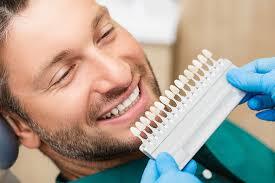
If you’re thinking about cosmetic dental work but shudder at the price tag of porcelain veneers, you’re not alone. The idea of a perfect smile is appealing — but most people want it without spending thousands. That’s where composite bonding comes in. It’s quickly become one of the most talked‑about options in affordable cosmetic dentistry because it delivers noticeable results for far less money, and without the need for extensive drilling or enamel removal that veneers usually require. For many, this small‑scale, practical treatment turns cosmetic dreams into reality without the same financial commitment.
Think of it this way: veneers and bonding both aim to make your teeth look better, yes. But they do so in very different ways. Understanding that difference — and why many patients and dentists now favour bonding as a more accessible alternative — helps you decide what’s right for your smile and your budget.
What Composite Bonding Actually Is
It’s not a full shell like veneers. Composite bonding uses a tooth‑coloured resin material that a dentist sculpts, shapes, and applies right onto your natural tooth to improve appearance. The dentist roughens the tooth surface, applies the resin and then cures it with a special light to harden it. Because it’s directly applied, there’s usually minimal alteration of your own enamel — that’s a big contrast with traditional veneer prep, which involves covering much of the tooth surface.
That minimal prep is part of what makes bonding so appealing. It can fix small chips, close gaps, even change tooth shape — and it usually wraps up in a single visit. No weeks of lab work. No waiting for porcelain pieces to be made.
Why the Cost Difference Matters
When you look at bonding vs veneers, the numbers jump out immediately. Porcelain veneers generally run into hundreds or even thousands per tooth — often £800–£2,000+ in many UK practices when you include lab fees and multiple visits. Composite bonding, by contrast, usually falls in the £150–£500 per tooth range, depending on how many teeth you treat and the complexity of the work.
Sure, those figures can shift based on where you live (big cities often cost more than rural areas), and what exactly you want done. But even after adjustments, you’ll usually spend significantly less with bonding. That’s exactly why it’s often termed as an affordable cosmetic dentistry solution — it delivers noticeable enhancement without a luxury price tag.
It’s also why some clinics emphasise how much cheaper bonding can be compared with veneers. One practice even advertises composite bonding from around £100 per tooth — a stark contrast to porcelain veneer quotes.
Bonding vs Veneers: Practical Differences
When you compare composite bonding vs veneers, it’s not just cost that differs. The way each interacts with your teeth and your lifestyle varies too.
Bonding is typically completed in a single sitting. You walk in, teeth are prepped quickly, the resin goes on right then, and you leave with a refreshed look. Veneers often take two or more visits because the porcelain shells are custom‑made in a lab.
You don’t usually need drilling or anaesthetic with bonding. That means more of your natural tooth stays intact, and there’s usually little to no discomfort. Porcelain veneer placement generally involves enamel removal so the shell fits — a decision many patients don’t fully realise until they’re committed.
That said, veneers have their own strengths: they tend to resist stains better and can last longer if looked after properly. Composite resin isn’t as tough as porcelain — it can chip or stain more easily, especially if you drink lots of coffee or wine. Over time, you may need repairs or touch‑ups.
Who Composite Bonding Is Best For
Composite bonding shines when you want to correct minor cosmetic issues without a large budget or a long treatment plan. Chipped edges, small gaps, slight discolouration or uneven shapes — these are the kinds of problems bonding handles well.
But if you want a dramatic smile overhaul — reshaping, whitening and alignment all at once — porcelain veneers might still be the better long‑lasting option in the long run. Even then, bonding can be a stepping stone: some people choose bonding now and later move to veneers when finances or time allow.
Also remember, because bonding is less invasive, it’s easier to fix if something chips or discolours — you don’t have to replace an entire veneer; the dentist can repair the resin directly.
Everyday Life With Composite Bonding
There’s no recovery period like you might have with bigger dental work. Most people bounce back from composite bonding immediately — no swelling, no downtime. Just be sensible in the first few days with very chewy or hard foods. Drink staining beverages with a straw if you can; the resin can pick up colours more readily than porcelain.
Annual check‑ups are sensible — part of good oral hygiene — and your dentist can check if the bonding needs polishing or minor repairs to keep it looking its best. Again, that’s easier and cheaper than replacing a broken veneer.