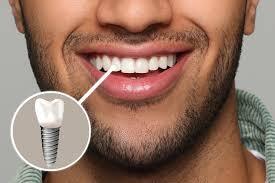
If you’re thinking about a smile upgrade, the world of cosmetic dentistry comparison can feel confusing fast. Two of the most talked‑about options are tdental veneers and tooth bonding. Both aim to enhance your smile. Both make teeth look better. But they’re very different in the way they’re done, how long they last, and the kind of results they deliver. This isn’t fluff. These are real, research‑backed differences that matter when you’re choosing a path. Let’s unpack it in a way that actually helps you decide.
What Are Dental Veneers?
Dental veneers are ultra‑thin shells custom made to fit over the front of your teeth. Usually porcelain, sometimes composite, they cover surface imperfections while transforming shape and colour. Because they’re crafted in a lab to your specs, veneers can mimic the natural shine and translucence of enamel really closely — that’s why they’re often favoured for major cosmetic makeovers. Labs shape them, then dentists bond them securely to your tooth. Cleanup isn’t instant. You usually need two or more appointments, and a tiny amount of enamel is removed to make room for the veneer so it sits flush and looks natural. Their durability is a big reason people choose them — porcelain veneers can last well into the teens with proper care.
So What Is Tooth Bonding Exactly?
Tooth bonding uses a tooth‑coloured resin material applied right to the surface of your existing tooth. The dentist shapes it on, hardens it with a special light, and polishes it. It’s fast. Often one visit is enough. There’s little to no enamel removal. For quick fixes — small chips, gaps, tiny stains — bonding is appealing. But because it’s a softer resin and done chairside, it’s not as stain‑resistant or long‑lasting as veneers. Over time it can chip or yellow, depending on habits and care.
How They Compare: Durability and Lifespan
When you compare veneer vs bonding from a durability perspective, the difference is significant. Porcelain veneers can last 10 years or more — often 10–15 with good hygiene and habits — and resist stains far better than resin. Bonding’s composite resin generally lasts less, around five to seven years before needing rework. Sometimes more if you’re lucky and gentle, sometimes less if you smoke, drink staining beverages, or use your teeth as tools. That gap in longevity makes veneers look like the “investment” option, while bonding feels like the quick fix.
The Cost Factor: Now vs Later
It’s hard to talk about cosmetic dentistry without talking money. Bonding usually comes with a much lower upfront cost per tooth. That makes sense, because it’s faster and uses fewer specialty materials. Veneers — especially porcelain ones — can cost significantly more because of the lab fabrication and multiple visits. But here’s where people trip up: because bonding doesn’t last as long and may need replacing or touch‑ups, the long‑term cost gap can narrow depending on how long you keep that smile looking fresh. It’s good to think not only about “how much today?” but “what will this cost over 10 years?”
Aesthetics: Does It Look Like Real Teeth?
Both treatments aim to improve appearance, but they aren’t identical. Veneers — especially high‑quality porcelain ones — reflect light very similarly to natural enamel. They can handle multiple cosmetic issues at once: colour, shape, alignment illusions, length. Bonding can look very good too, especially for smaller flaws, but in direct comparison veneers often give a smoother, more uniform finish. That doesn’t mean bonding looks bad. It’s just often considered less precise when you’re aiming for a “Hollywood smile.”
The Treatment Experience
Here’s where personal tolerance, time, and patience come in. Bonding can feel effortless — one visit, minimal prep, walk out with improved teeth. Veneers require more planning, more time in the dentist’s chair over multiple visits, and some enamel change that’s permanent. That permanence is worth noting: once enamel is altered for a veneer, reversal isn’t really an option without replacing the veneer itself. Bonding leaves your natural tooth largely untouched and reversible.
Who Should Choose Which?
There’s no one‑size‑fits‑all. If you want quick, affordable, reversible improvement — and your issues are fairly minor — tooth bonding may be a great choice. If you want a more dramatic, long‑lasting transformation and you’re ready for a commitment financially and procedurally, veneers often come out ahead. The best decision always comes after a consultation with a licensed cosmetic dentist who examines your bite, enamel, gum health, and aesthetic goals.
You’ve now explored the cosmetic dentistry comparison in depth — veneer vs bonding — based on material, durability, appearance, cost, and procedure. Armed with that, you’re better positioned to talk to your dentist.