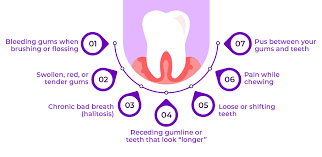
Gum disease doesn’t usually start with pain. That’s what makes it dangerous. For many people, the early stages feel mild, almost forgettable. A little bleeding here. Slight swelling there. Easy to ignore. But beneath the surface, damage may already be building. Understanding gum disease symptoms, spotting early gingivitis signs, and knowing how periodontal disease progresses can protect not just your smile, but your overall health too.
Gum disease is one of the most common oral health conditions worldwide, and yet it’s also one of the most misunderstood. It doesn’t appear overnight. It creeps in slowly, quietly, and often without warning.
What Gum Disease Really Is and How It Begins
Gum disease starts when plaque — a sticky film of bacteria — builds up along the gumline. If plaque isn’t removed through regular brushing, flossing, and professional cleanings, it hardens into tartar. Once tartar forms, your gums become irritated and inflamed. This early stage is known as gingivitis.
Gingivitis is technically reversible. That matters. At this point, the damage is limited to the gums and has not yet affected the bone that supports your teeth. But without treatment, gingivitis can quietly evolve into periodontal disease, where permanent damage begins.
Bleeding Gums Are Not Normal — Even If You Think They Are
One of the most common gingivitis signs is bleeding during brushing or flossing. Many people brush this off, assuming they’re brushing too hard or using the wrong floss. In reality, healthy gums do not bleed easily.
Bleeding is a sign of inflammation. It means bacteria are already irritating the gum tissue. If ignored, this inflammation deepens, allowing bacteria to move further below the gumline. Over time, pockets form between the teeth and gums. That’s where periodontal disease takes hold.
Red, Swollen, or Tender Gums Signal Early Trouble
Healthy gums should be firm and pale pink. When gums appear red, puffy, or feel sore to the touch, something is wrong. Swelling is the body’s immune response to infection. In the case of gum disease, it’s a response to bacterial toxins trapped around the teeth.
This swelling may not hurt much at first. Sometimes it doesn’t hurt at all. That’s why these gum disease symptoms often go unnoticed until they worsen. Subtle discomfort is still a warning. Don’t wait for pain to take it seriously.
Persistent Bad Breath That Doesn’t Go Away
Chronic bad breath, also known as halitosis, can be an early sign of gum disease. Bacteria involved in gingivitis and periodontal disease release sulfur compounds that create unpleasant odors. Brushing your tongue or using mouthwash might mask the smell temporarily, but it won’t solve the underlying issue.
If bad breath keeps returning despite good oral hygiene, it’s often a signal that bacteria are thriving below the gumline. This is especially common as gum disease progresses from gingivitis to early periodontal disease.
Gum Recession and Teeth That Look Longer
As gum disease advances, the gums may begin to pull away from the teeth. This recession exposes more of the tooth surface and, in some cases, the tooth root. Teeth may start to look longer than they used to. Sensitivity to hot or cold foods can follow.
Gum recession is not just a cosmetic issue. It creates spaces where bacteria can accumulate even more easily, accelerating periodontal damage. Once gum tissue is lost, it does not grow back naturally.
Changes in Bite or Loose Teeth
In more advanced stages of periodontal disease, the bone that supports the teeth begins to break down. This can cause teeth to feel loose or shift slightly. You may notice changes in how your teeth fit together when you bite down. Dentures may no longer fit as they once did.
These symptoms mean the disease has moved beyond gingivitis. At this stage, professional treatment becomes essential to slow or stop further damage.
Why Gum Disease Is More Than a Mouth Problem
Research consistently links periodontal disease with broader health conditions, including heart disease, diabetes complications, and systemic inflammation. The mouth is not separate from the body. Chronic gum infection can contribute to inflammatory stress elsewhere.
Ignoring early gum disease symptoms doesn’t just risk tooth loss. It can impact overall wellbeing in ways that aren’t always obvious at first.
Who Is Most at Risk for Periodontal Disease
Certain factors increase the likelihood of developing gum disease. Smoking is one of the strongest risk factors. Poor oral hygiene, uncontrolled diabetes, hormonal changes, stress, and genetic predisposition also play roles.
Even people who brush daily can develop gum disease if plaque is not properly removed between teeth or if dental visits are infrequent. Regular checkups help catch early gingivitis signs before permanent damage occurs.
How Early Detection Changes Everything
The earlier gum disease is detected, the easier it is to manage. Gingivitis can often be reversed with professional cleaning and improved daily oral care. Periodontal disease, once established, can be controlled but not cured. That difference is critical.
Dentists don’t just look at teeth during exams. They assess gum health, measure pocket depths, and look for subtle changes that patients may not feel yet. Skipping these visits allows silent progression.
Gum disease rarely announces itself loudly at first. It whispers. A little bleeding. Mild swelling. Breath that doesn’t feel fresh anymore. Those whispers are worth listening to. Paying attention to early gingivitis signs and responding quickly can prevent the long-term consequences of periodontal disease. Your gums are telling a story long before serious damage appears. The question is whether you’re listening in time.