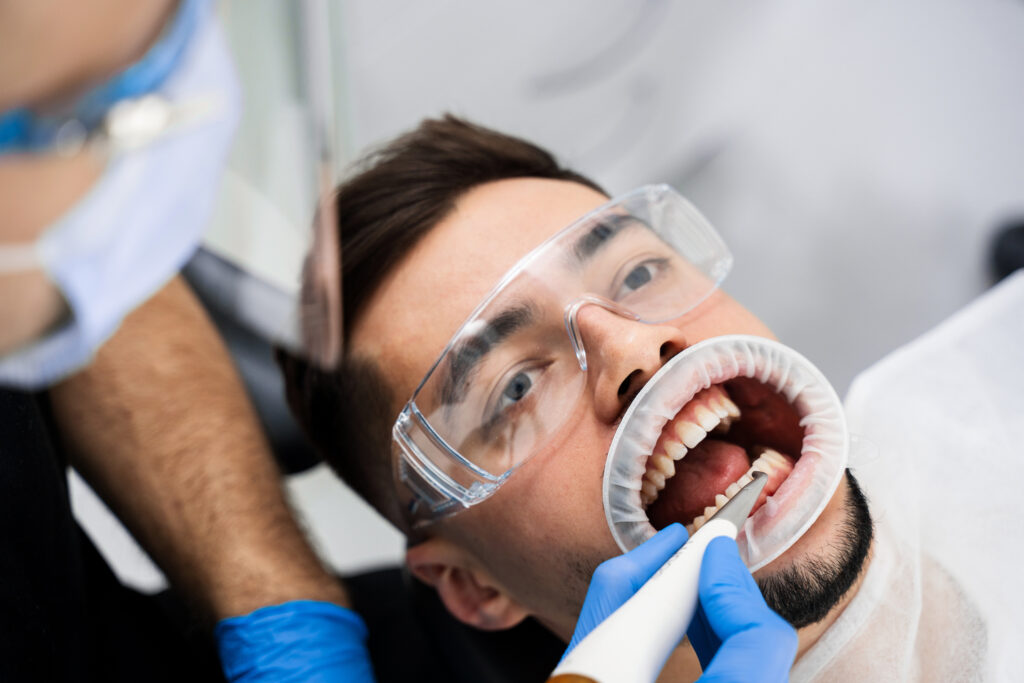
A scale and polish — often called a dental cleaning or hygienist appointment — is not just about making your teeth look brighter. It’s a professional procedure that goes deeper than your toothbrush ever can, and regular appointments play a surprisingly big role in long-term oral health. If brushing and flossing were all you needed, dentists wouldn’t still recommend scaling and polishing as part of routine dental care. Here’s the straight-talk explanation of what a scale and polish does, why it matters, and what you can expect when you book a hygienist appointment.
What a Scale and Polish Actually Is
A scale and polish is a professional dental cleaning carried out by a dentist, dental therapist, or dental hygienist. The “scale” part involves removing hardened plaque — called tartar or calculus — that builds up on and between your teeth over time and in places your brush can’t reach. Tools include ultrasonic scalers that vibrate away deposits and fine hand instruments for tight spots. The second part, the “polish,” smooths the surface of your teeth and helps lift surface stains caused by coffee, tea, tobacco and similar habits. It’s not merely cosmetic; it’s about removing bacterial buildup and smoothing the enamel so plaque doesn’t re-attach as quickly.
This procedure typically takes around 30–45 minutes and is tailored to what your mouth actually needs — plaque and gum assessment first, then scaling and polishing. Some clinics also offer air polishing or stain-removal add-ons for deeper results.
Why Regular Professional Cleaning Matters
Even the best daily brushing and flossing can’t stop tartar from forming in every pocket of your mouth. As plaque hardens into tartar, it harbours bacteria that cause gum inflammation, decay and bad breath. These deposits can hide below the gumline where your brush never goes. A professional scale and polish removes this hard, hardened dental buildup, helping prevent gum disease, cavities and persistent bad breath. That’s what dental professionals highlight when talking about why these appointments are essential — it goes far beyond surface sparkle.
You usually hear “every six months” recommended, but that’s not a universal rule. Many hygienists tailor the schedule to your needs — more often if you’re prone to gum disease, smoke, drink staining beverages, wear braces, or have implants. The goal is to keep the bacterial load down and stop the beginning of disease processes before they progress.
What You Feel and What to Expect
During the scaling phase, you may feel a vibrating or scraping sensation — this is normal. Scaling is usually not painful, though those with sensitive gums or heavy tartar buildup might feel some discomfort. After the polish, teeth feel smooth and clean, often with a noticeable reduction in stains and plaque roughness. Many patients comment on significantly fresher breath right after the appointment.
Beyond the physical cleanup itself, your hygienist will often offer personalised advice on brushing technique, flossing, interdental tools and ways to prevent plaque buildup between visits. That tailored guidance is part of what makes a hygienist appointment more than “just a clean.”
Benefits You Might Not Expect
A scale and polish doesn’t only keep your teeth clean in the immediate term. Regular professional cleaning:
- can help reduce the progression of gum disease by removing bacteria that inflame gums;
- clarifies the surface of your enamel, slowing new plaque from building up
- makes it easier for your toothbrush and floss to work effectively between visits;
- lets professionals spot early signs of decay, gum recession or other oral issues during the appointment.
All of this helps reduce the cost and complexity of future dental care. Avoiding issues early with hygiene visits can mean fewer fillings, extractions or gum treatments down the line — expensive and invasive procedures many people would rather avoid.
How Often You Should Book One
Most dental teams recommend a scale and polish about every six months as part of routine oral health maintenance. But everyone’s mouth is unique — smokers, people with diabetes, those with gum problems, or patients with orthodontic appliances often need more frequent cleanings. A hygienist or dentist will assess your risk and advise a schedule that actually fits your needs, not just a generic six-month routine.
For people who rarely see a professional hygienist, the scale and polish experience feels like just a refresh. For those with early gum issues or plaque challenges, it feels preventive — stopping problems before they escalate.
Hygienist Appointment vs Independent Home Care
It’s tempting to think that better brushing, flossing and mouthwash eliminates the need for professional cleaning — but that’s not accurate. Even meticulous home care cannot break off hardened tartar once it’s formed. Only the professional tools used in a scale and polish dismantle these hard deposits safely. So that hygienist appointment isn’t optional if you want long-term gum and tooth health; it’s part of a complete preventive strategy that complements your home routine.